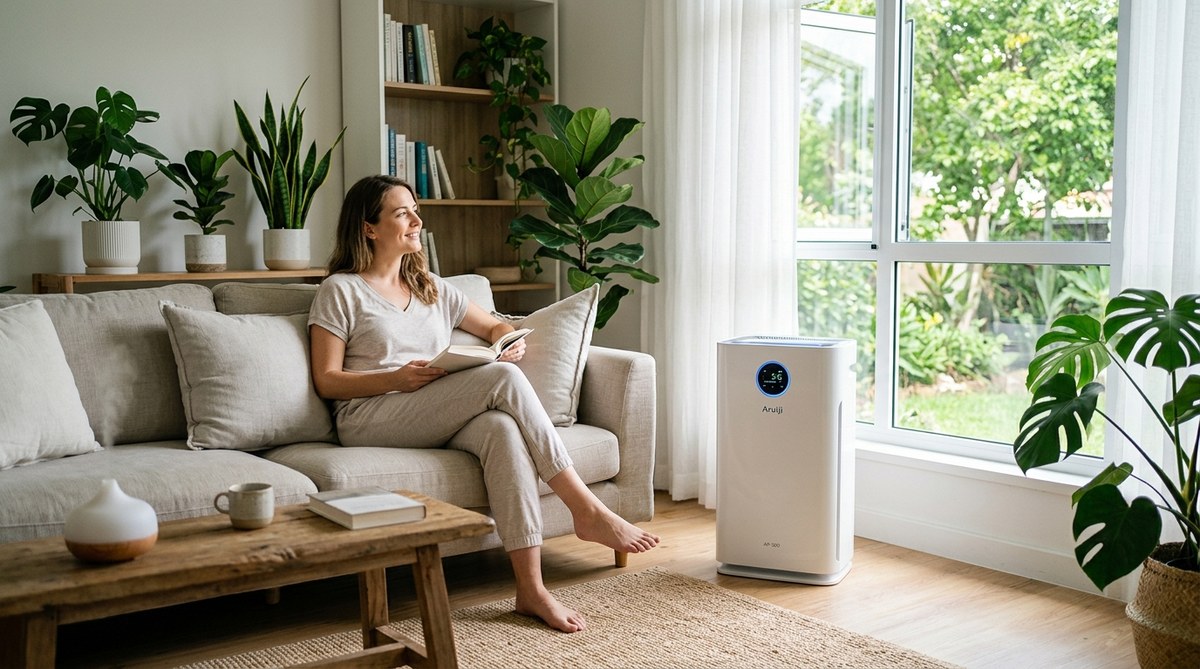
Breathing clean air inside your home is essential for your health and comfort. Yet many of us unknowingly live in spaces filled with pollutants, allergens, and other airborne irritants. Fortunately, making your indoor air healthier doesn’t require complex or costly solutions. With a few simple adjustments, you can enjoy fresher, cleaner air every day. Whether you rent or own, these tips are easy to implement and can significantly boost your home’s air quality.
Improving indoor air quality naturally involves controlling pollution sources, enhancing ventilation, and adding natural air purifiers. Small daily habits and simple adjustments can create a healthier living space for everyone.
Understanding what impacts indoor air quality
Indoor air quality is affected by many factors. Common sources of indoor pollutants include cooking fumes, tobacco smoke, dust, pet dander, mold, and chemical emissions from cleaning products or furniture. These can cause health issues, especially for allergy sufferers, asthmatics, or anyone with respiratory sensitivities. The good news is that many of these sources are manageable with straightforward strategies.
Practical steps to boost your home’s air quality
Here are three actionable ways to naturally improve indoor air quality. These methods focus on reducing pollutants, increasing fresh airflow, and incorporating natural air cleaning elements.
1. Control and eliminate pollution sources
Start by identifying and reducing sources of indoor pollution. This is often the most effective way to improve air quality without needing expensive equipment.
- Use natural cleaning products free of harsh chemicals.
- Avoid smoking indoors to prevent tobacco smoke contamination.
- Regularly clean and dust surfaces to minimize dust and pet dander.
- Seal leaks around windows and doors to prevent outdoor pollutants from entering.
- Keep humidity levels in check to prevent mold growth.
2. Increase ventilation and airflow
Fresh air dilutes indoor pollutants and improves overall air quality. Simple ways to do this include:
- Opening windows regularly, especially during times when outdoor air quality is good.
- Using exhaust fans in kitchens and bathrooms to vent out moisture and odors.
- Installing or upgrading your home’s ventilation system to ensure continuous air exchange.
- Creating cross-ventilation by opening windows on opposite sides of your home.
3. Use natural air purifiers and plants
Indoor plants can naturally filter out certain airborne toxins and add humidity to the air. Some plants are particularly effective at improving air quality.
- Snake plants and pothos are hardy options that require minimal care.
- Spider plants and peace lilies can help remove common pollutants like formaldehyde.
- Incorporate plants into your living spaces for both health benefits and aesthetic appeal.
Comparing techniques and common pitfalls
| Technique | Benefits | Mistakes to avoid |
|---|---|---|
| Using air purifiers | Removes airborne particles effectively | Relying solely on purifiers without source control |
| Increasing ventilation | Reduces indoor pollutant buildup | Opening windows during high outdoor pollution days |
| Adding indoor plants | Naturally filters air and boosts humidity | Overwatering plants or choosing toxic species |
| Sealing leaks and sources | Prevents outdoor pollutants from entering | Blocking airflow that could improve ventilation |
| Regular cleaning and dusting | Removes dust and allergens | Using harsh chemical cleaners that emit volatile compounds |
“Controlling indoor sources of pollution is often the most impactful step you can take. Combining this with increased airflow and natural filters creates a healthier environment,” advises Dr. Lisa Green, an indoor air quality expert.
Avoiding common mistakes in improving air quality
While the strategies above are straightforward, some pitfalls can undermine your efforts.
- Relying only on air purifiers without addressing pollution sources.
- Ventilating during days with high outdoor pollution or pollen counts.
- Overwatering houseplants, which can lead to mold.
- Using chemical-laden cleaning or air freshening products.
- Ignoring signs of mold or excess moisture.
Simple habits for cleaner indoor air
- Keep windows open for a few minutes daily to exchange stale air.
- Regularly change HVAC filters according to manufacturer instructions.
- Avoid clutter that can trap dust and allergens.
- Wash bedding and soft furnishings frequently.
- Limit use of aerosols and scented products.
Creating a healthier indoor environment
Improving indoor air quality naturally is about consistency. Small daily habits, combined with simple adjustments, can lead to noticeable improvements. Think of your home as a living space that needs regular care, just like your body. By controlling pollution sources, increasing fresh airflow, and adding natural filters, you create a space that supports your well-being.
Bringing fresh air into your home
Remember, your home’s air quality depends on what you do daily. Opening windows, choosing eco-friendly products, and caring for your plants are all easy steps. These practices not only improve air but also contribute to a more relaxed and inviting space. Make these habits part of your routine and enjoy the benefits of cleaner, healthier air.
How to maintain consistently good indoor air quality
Maintaining good air quality is an ongoing process. Schedule regular checks for mold, dust buildup, and ventilation system performance. Educate everyone in your household about the importance of keeping pollutants out. Small, consistent actions can prevent problems before they start. As you build these habits, you’ll notice your home becoming a more comfortable, healthier place to be.
Your journey to a breath of fresh air
Improving indoor air quality naturally is accessible and effective. Focus on controlling pollution sources, increasing fresh airflow, and bringing in natural air purifiers. These simple steps can transform your living space into a sanctuary of clean, healthy air. Start today, and enjoy the difference it makes for your health and happiness.