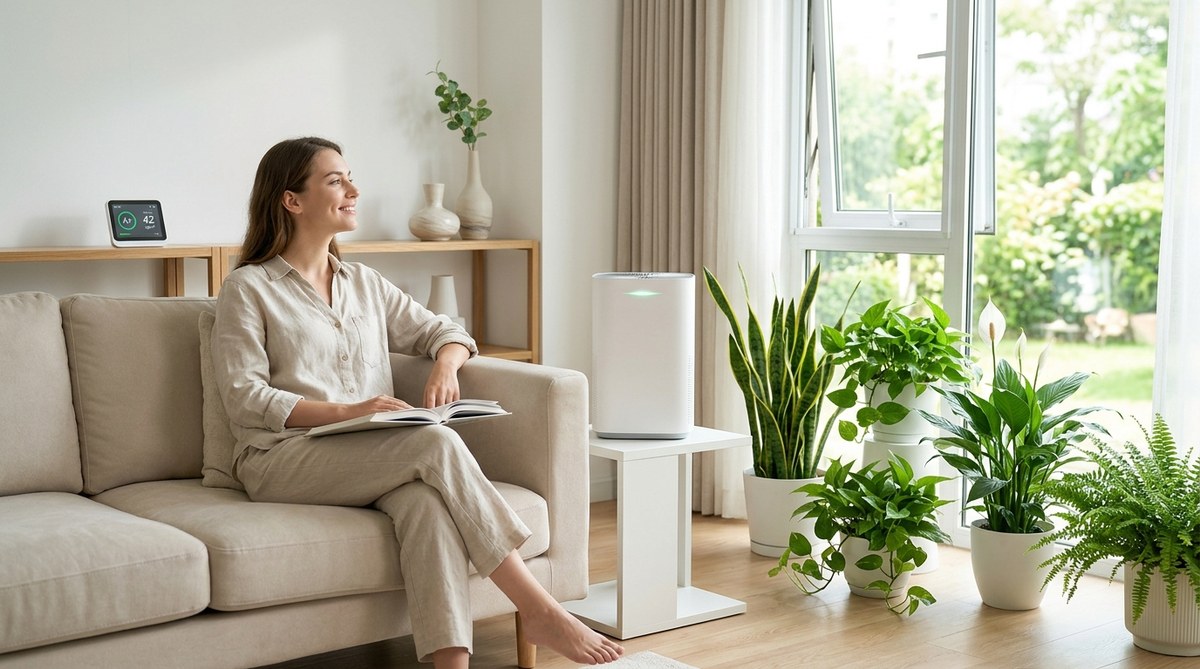
Indoor air quality impacts your health every day. Poor air can cause allergies, respiratory issues, and fatigue. Luckily, making simple changes at home can significantly improve the air you breathe. Whether you rent or own, small steps can lead to cleaner, fresher indoor environments. Let’s explore straightforward strategies to enhance your indoor air quality and create a healthier home for you and your family.
Improving indoor air quality can be simple and inexpensive. Focus on source control, proper ventilation, and using air purifiers. Small adjustments make a big difference in your health and comfort.
Understanding the importance of indoor air quality
Indoor air is often more polluted than outdoor air. Sources of indoor pollution include dust, pet dander, mold, cleaning products, and even the materials used in furniture and flooring. Over time, these pollutants can accumulate and impact your health, especially if you have allergies or asthma. Improving indoor air quality doesn’t require complex or costly solutions. Instead, focus on practical steps that fit into everyday routines.
Proven strategies to boost your indoor air quality
Implementing a few key techniques can dramatically improve the air in your home. Here’s a simple plan to get started:
1. Control sources of pollution
Identify and minimize sources of indoor pollutants. This includes reducing the use of chemical-heavy cleaning products, avoiding smoking indoors, and choosing low-VOC paints and furnishings. Regularly cleaning and dusting also prevent buildup of allergens.
2. Ensure proper ventilation
Good airflow dilutes indoor pollutants. Use exhaust fans in kitchens and bathrooms, and open windows when weather permits. If natural ventilation isn’t enough, consider installing an energy-efficient mechanical ventilation system to keep fresh air circulating.
3. Use air purifiers strategically
Air purifiers equipped with HEPA filters can trap airborne particles like dust, pet dander, and pollen. Place them in common areas or bedrooms for maximum benefit. Remember to change filters as recommended by the manufacturer for optimal performance.
4. Manage humidity levels
High humidity promotes mold growth and dust mites. Use dehumidifiers in damp areas and aim to keep indoor humidity between 30 to 50 percent. Regularly inspect for leaks and mold, especially in bathrooms and basements.
5. Maintain your HVAC system
A well-maintained heating, ventilation, and air conditioning (HVAC) system filters pollutants and improves air quality. Change filters regularly, and consider upgrading to high-efficiency filters if your system allows.
6. Incorporate indoor plants
Certain houseplants naturally improve air quality by absorbing toxins and increasing humidity. Examples include snake plants, pothos, and peace lilies. Be aware of plant care needs and avoid overwatering to prevent mold.
7. Keep your home clean
Regular vacuuming with a HEPA filter vacuum, dusting, and washing bedding reduce allergen buildup. Avoid using harsh cleaning chemicals that can release volatile organic compounds (VOCs).
Comparing techniques and avoiding mistakes
| Technique | Benefits | Common mistakes |
|---|---|---|
| Source control | Reduces pollutants at origin | Ignoring chemical-heavy products |
| Proper ventilation | Refreshes indoor air | Over-reliance on natural ventilation in polluted areas |
| Air purifiers | Removes airborne particles | Not replacing filters regularly |
| Humidity management | Prevents mold and dust mites | Overusing humidifiers or dehumidifiers |
| HVAC maintenance | Keeps filters clean and system efficient | Skipping regular filter changes |
“Small, consistent improvements in your home’s air management can lead to noticeable health benefits over time,” says Dr. Emily Carter, an indoor air quality expert.
Practical tips for everyday indoor air quality improvements
- Open windows for a few minutes daily to exchange indoor air with fresh outdoor air.
- Schedule seasonal HVAC checkups and filter replacements.
- Use eco-friendly cleaning products to reduce chemical exposure.
- Place a few indoor plants in bedrooms and living areas.
- Keep pets off bedding and furniture to minimize dander.
- Address moisture issues promptly to prevent mold growth.
- Avoid clutter that can trap dust and allergens.
Building a healthier home step by step
Start with small, manageable changes. Focus on source control first by reducing chemical use and cleaning regularly. Then invest in good ventilation and air purification. Over time, these improvements will create a cleaner, more comfortable environment. Remember, consistency is key. Even simple habits like opening windows or changing filters can make a significant difference.
Making indoor air quality a priority
Improving your home’s indoor air quality is within reach. It doesn’t require costly renovations or complex systems. Instead, focus on practical actions that fit your lifestyle. By controlling pollution sources, ensuring proper airflow, and maintaining your systems, you can breathe easier and enjoy better health every day.
Keep your home fresh and healthy
Creating cleaner indoor air is an ongoing process. Regularly assess your home’s air quality and adjust your habits accordingly. Invest in equipment like air purifiers and dehumidifiers as needed. Small, consistent steps will help you enjoy a fresher, healthier living space where you and your loved ones can thrive.
Breathing easier starts with simple steps
Your home should be a sanctuary of health and comfort. By adopting these easy indoor air quality improvements, you can reduce pollutants and enhance your well-being. Make these changes part of your routine and notice how your living space transforms into a cleaner, more refreshing environment. Every small effort counts toward breathing easier each day.