<meta name=”description” content=”Discover simple, affordable strategies to improve indoor air quality at home naturally, boosting health and comfort for your family.”
Improving the air you breathe inside your home doesn’t have to involve complicated or costly solutions. With some straightforward upgrades and habits, you can create a healthier, more comfortable environment. Many common sources of indoor air pollution are easy to control or eliminate. By making a few simple changes, you can significantly boost indoor air quality and enjoy fresher, cleaner air every day.
You can naturally improve indoor air quality at home by controlling pollution sources, increasing ventilation, and adding air-cleaning plants or devices. Small changes lead to healthier, fresher air for your family.
Understanding indoor air pollution and its impact
Indoor air quality (IAQ) refers to the air’s cleanliness inside your home. Poor IAQ can cause health issues like allergies, asthma, or respiratory infections. Common pollutants include dust, pet dander, mold, volatile organic compounds (VOCs), and airborne chemicals from cleaning products or furniture. Since we spend most of our time indoors, improving IAQ is vital for health and overall comfort.
Practical steps to naturally boost indoor air quality
Making your home healthier involves a few key actions. Here are three effective methods to improve indoor air quality at home naturally:
1. Manage pollution sources effectively
Identify and reduce sources of indoor pollution. For example, limit the use of products containing VOCs like air fresheners, paints, or cleaning chemicals. Keep your home clean to reduce dust and pet dander. Regularly check for mold in damp areas like bathrooms and basements. Use natural cleaning products whenever possible to avoid introducing harmful chemicals into your environment.
2. Increase ventilation and airflow
Fresh air dilutes indoor pollutants. Open windows and doors whenever weather permits to bring in outside air. Use exhaust fans in kitchens and bathrooms to vent moisture and airborne contaminants outdoors. Consider installing trickle vents or air vents if natural ventilation is limited. Proper airflow helps remove stale air and reduces indoor pollutant buildup, creating a fresher home environment.
3. Incorporate air-purifying plants and devices
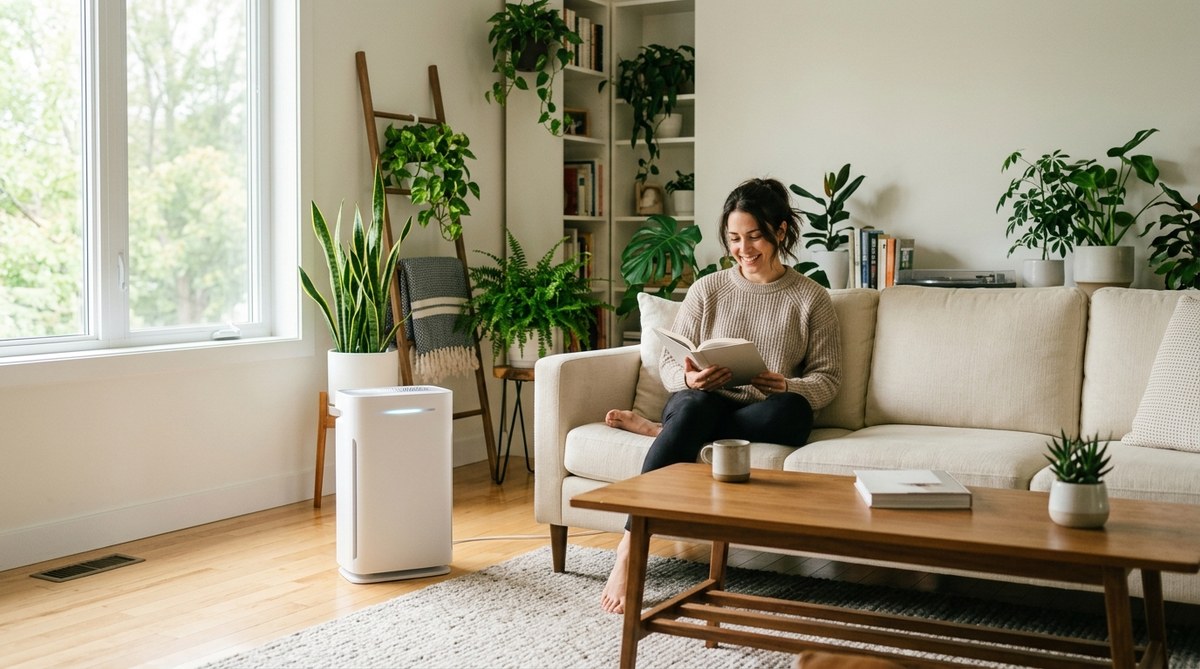
Certain houseplants naturally filter airborne toxins. Examples include snake plants, pothos, and peace lilies. Place a few of these in different rooms to improve air quality. Additionally, consider using air purifiers with HEPA filters, especially in bedrooms and living areas. These devices efficiently remove dust, pet dander, and other allergens. Regularly maintain air filters for optimal performance.
Additional tips for cleaner indoor air
- Control indoor humidity: Mold thrives in damp environments. Use dehumidifiers or air conditioners to maintain humidity levels below 50 percent.
- Keep your home clean: Regular dusting and vacuuming (preferably with a HEPA filter vacuum) can cut down on allergens.
- Limit indoor smoking: Tobacco smoke is a major indoor pollutant and should be avoided entirely.
- Use natural materials: Opt for furniture, carpets, and paints labeled low-VOC or VOC-free.
Comparing techniques and common mistakes
| Technique | What to do | Common mistake |
|---|---|---|
| Managing pollution sources | Use natural cleaning products, limit VOCs | Using harsh chemicals that release toxins |
| Increasing ventilation | Open windows regularly, use exhaust fans | Closing windows too often, trapping indoor pollutants |
| Adding air purifiers | Use HEPA-filter units, maintain filters | Forgetting to replace or clean filters |
| Incorporating plants | Select air-purifying houseplants | Overwatering plants, which can promote mold growth |
“A well-ventilated, clean home with natural plants can make a visible difference in air quality and overall health,” advises indoor air quality expert Dr. Lisa Green.
Common pitfalls to avoid
- Relying solely on air fresheners instead of proper ventilation or filtration.
- Ignoring hidden mold or moisture problems.
- Using heavily scented cleaning or personal care products.
- Overcrowding rooms with too many plants or devices, which can backfire if not maintained properly.
Monitoring your home’s air quality
While natural methods are effective, monitoring helps you understand your home’s air health. Use simple air quality monitors to track dust, humidity, and VOC levels. Regular inspections and maintenance of HVAC systems also ensure they don’t become sources of indoor pollutants.
Making your home healthier, one step at a time
Improving indoor air quality naturally is about consistency and awareness. Small changes like opening windows daily, cleaning with eco-friendly products, and adding houseplants can transform your living space into a healthier haven. Remember, a fresh and clean environment supports your family’s health and well-being.
Final thoughts on breathing easier at home
Creating a healthier indoor environment doesn’t mean overhauling your entire home. It starts with manageable steps you can incorporate into your daily routine. With mindfulness around pollution sources and good ventilation habits, you can enjoy cleaner, fresher air without extra expenses or complicated setups. Take action today and breathe easier tomorrow.
Ready to make your home a haven for better air quality? Start with these simple changes and notice the difference in your comfort and health. Small adjustments can lead to big benefits for everyone under your roof.