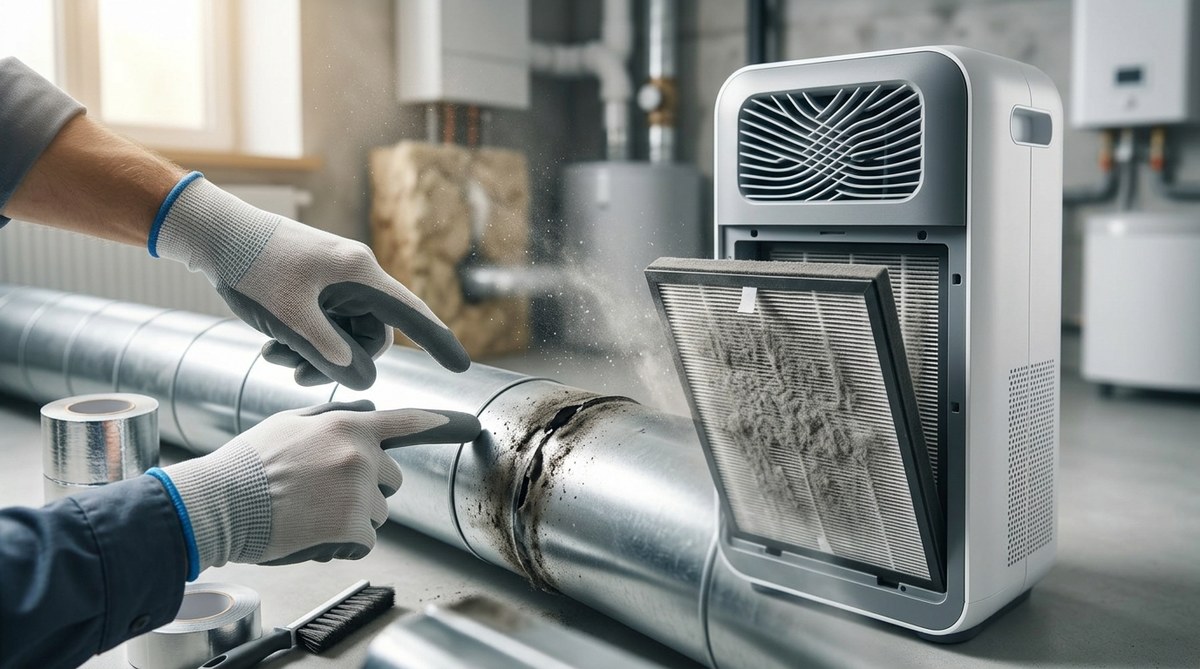
The Hidden Reason Your Air Purifier Filters Are Clogging Too Fast (And How to Fix It for Good)

Key Takeaway

Clogged filters happen when indoor particles overwhelm your system, not because of bad luck. The real culprits are usually poor filter selection, hidden air leaks, or high humidity. Fix the source, not just the symptom. Match your filter rating to your HVAC fan, seal gaps, and control dust at the source. This guide walks you through each fix step by step so you can stop throwing money at replacements.

You change the filter, you breathe a sigh of relief, and then within what feels like days, it looks like it has been through a dust storm. If you have been noticing that your air filter clogging too fast is becoming a monthly ritual, you are not alone. Many homeowners in the United States deal with this exact issue, and it often feels like no matter how often you swap in a fresh filter, something is still off. The good news is that there is usually a clear reason behind it, and fixing the problem is simpler than you might think.

Why Does My Filter Get Dirty So Quickly?

When a filter loads up with dust faster than expected, most people assume their home is just dirty. That can be part of it, but the real culprit is often a mix of airflow, filter selection, and indoor air quality. Let’s break down the most common reasons your filter keeps filling up before its time.

Your Filter Is the Wrong MERV Rating

MERV stands for Minimum Efficiency Reporting Value. It measures how well a filter traps particles. A higher MERV rating means the filter catches smaller particles, but it also means more airflow resistance. If you choose a filter with a very high MERV rating, your system has to work harder, which can cause it to pull in more air from leaky ducts and pull debris in faster. That can make the filter look dirtier sooner, even if the air quality in your home hasn’t changed.

For most homes, a MERV 8 to MERV 13 filter is the sweet spot. Going higher than that can restrict airflow and strain the blower. The result is a filter that clogs quickly because it is doing more work than your system was designed to handle.

Your Ductwork Is Leaking or Undersized

Leaky ducts pull in unfiltered air from attics, crawlspaces, and wall cavities. That dirty air carries dust and insulation particles straight into your return vents. Undersized ducts create high velocity airflow, which pushes more debris against the filter surface. Both situations make your filter look weeks older than it is.

You Are Using the Wrong MERV Rating

A high MERV rating sounds better, but it can work against you. Filters with a MERV rating above 13 create dense layers that trap more particles, yet they also restrict airflow. Your system may struggle to pull air through, which causes the filter to clog faster and forces the blower to work harder. For most homes, MERV 8 to 11 offers a solid balance.

Ductwork and Air Leakage

Leaky ducts pull in unfiltered air from attics, crawlspaces, and wall cavities. That air carries dust, insulation fibers, and other debris straight to your filter. If your ducts have gaps or poor returns, you are essentially vacuuming dirty air from hidden spaces all day.

Pets and High Traffic

Homes with shedding pets experience faster filter loading. Dander and hair are heavy. They settle into the filter surface and block airflow quickly. High traffic also brings in outdoor dirt and pollen. If you have two dogs and a busy entryway, your filter will work harder than the average household.

Renovations and Construction Dust

Drywall dust is a filter killer. Even a small project can send a huge amount of fine particles into your system. If you recently painted, sanded, or installed new flooring, your filter is likely clogging from that dust. The particles are so fine that they can bypass standard filters and settle deep inside the system.

Indoor Sources You Might Be Missing

Burning candles, cooking without a range hood, and using a fireplace can all add particles to your air. Pet dander and dust mites also pile up over time. These sources may not seem like much, but they are constantly loading your filter with debris.

Wrong Filter Size or Rating

Using a filter with too high a MERV rating can cause airflow problems. A high-efficiency filter traps more particles, but it also creates more resistance. If your system was not designed for that level of filtration, it will struggle. On the other hand, a filter that is too small lets air and dust bypass the filter entirely.

Ductwork Issues

Leaky or dirty ducts can pull in unfiltered air from unconditioned spaces. That air brings in dust, insulation particles, and even rodent droppings. If your ducts are old or damaged, you may notice one room gets dustier than others. The filter is catching what it can, but the ducts are constantly adding new debris.

How Often Should You Actually Change It?

The old rule of thumb was every 90 days. That is still fine for a basic filter in a small home with no pets. But most households need more frequent changes. A better approach is to check monthly and change as needed. If you have pets, change every 30 to 45 days. If you have allergies or a large family, every 30 days is safer.

During high-use seasons, like summer and winter, your system runs more often. That means more air is passing through the filter and more particles are being trapped. If you have been running your AC or furnace constantly, check the filter every few weeks.

Here is a simple way to tell if your filter is too dirty:

  • Hold it up to the light. If you cannot see light through it, it is time to change it.
  • Look for visible dust buildup on the surface. If you can write your name in the dust, it is definitely clogged.
  • Check the edges. If the edges are dirty but the middle looks clean, the filter is not seated properly.

One of the easiest ways to remember is to change the filter when you change the clocks in your home. If you want a more precise schedule, you can use a smart thermostat to track your filter usage and get reminders.

What Happens If You Ignore a Clogged Filter?

Ignoring a dirty filter does not just make your system work harder. It can lead to costly repairs and even shorten the life of your equipment. When the filter is clogged, the system cannot move enough air. The heat exchanger or the AC coil can overheat. This is one of the most common reasons for emergency service calls.

In a furnace, a clogged filter can cause the heat exchanger to crack. That is a serious safety issue because it can lead to carbon monoxide exposure. For your AC system, a dirty filter can cause the evaporator coil to freeze. When ice forms on the coil, the system cannot cool your home, and you may notice water pooling around the unit.

High energy bills are another sign. If your system is running longer to reach the same temperature, it is using more energy. That shows up on your monthly utility bill. Over time, the extra strain can cause the blower motor to fail. Replacing a blower motor is far more expensive than buying a pack of filters.

How to Choose the Right Filter for Your Home

Choosing the right filter is about more than just picking the one with the highest MERV rating. You need to consider your system type, your household needs, and your budget. Here are a few things to keep in mind:

  • Check the recommended MERV rating in your system’s manual.
  • Consider your household’s allergies. If you have allergies, you may need a higher-rated filter, but make sure your system can handle it.
  • Look for filters with a rigid frame. They hold their shape better and last longer.
  • Consider pleated filters over fiberglass ones. They trap more particles and last longer.

If you are not sure what to buy, start with a MERV 8 filter. It is a good balance of filtration and airflow for most homes. If you have pets or allergies, you can step up to a MERV 11 or 12. Just make sure your system is designed for it.

When to Call a Professional

If you have changed the filter and your system is still struggling, it is time to call a professional. There may be a deeper issue, like a blower motor problem or a refrigerant leak. A professional can inspect the system, check the ductwork, and make sure everything is working safely.

You should also call a professional if you notice:

  • Burning smells coming from your vents
  • Strange noises when the system turns on
  • Uneven heating or cooling throughout your home
  • High humidity or moisture issues

Regular maintenance can catch these problems early. A professional can also clean the blower, check the coils, and make sure your system is running efficiently. It is a small price to pay for peace of mind and lower energy bills.

Final Thoughts

Your air filter is one of the easiest things to maintain, but it is also one of the most important. A clean filter keeps your system running efficiently, improves your indoor air quality, and saves you money on repairs. By checking your filter monthly and changing it as needed, you can avoid costly breakdowns and keep your home comfortable all year long.

If you are not sure where to start, check your current filter. If it looks dirty, change it. If you cannot remember the last time you changed it, that is your answer. And if you want to make it easier on yourself, consider buying filters in bulk or setting a reminder on your phone. Your system, and your wallet, will thank you.


If your filter is visibly dirty, it is time to replace it. A good rule is to check it once a month. During high-use months, you may need to change it more often. If you have pets or allergies, you might need to change it every three to four weeks. It is a small task that can save you hundreds of dollars in repairs.

What Happens If You Ignore a Dirty Filter?

Ignoring a dirty filter is not just about dust. It can lead to serious problems. Here are some of the most common consequences:

  • Reduced airflow, which makes your system work harder.
  • Higher energy bills because the system runs longer.
  • Frozen coils in summer, which can damage the compressor.
  • Shortened system lifespan due to excessive strain.

In severe cases, a clogged filter can cause the system to overheat and shut down completely. That is not a risk worth taking. A simple filter change is much cheaper than a major repair.

How to Choose the Right Filter

Choosing the right filter is not as simple as grabbing the cheapest option at the store. You need to consider the MERV rating, the size, and your household’s specific needs. Here are some tips:

  • Know your system’s filter size. It is usually printed on the filter frame.
  • Choose a MERV rating between 8 and 12 for most homes.
  • If you have pets or allergies, consider a higher rating.
  • Avoid filters that are too restrictive for your system.

When in doubt, ask a professional. They can help you find the right balance between airflow and filtration. The goal is to keep your system running smoothly while maintaining good indoor air quality.

When to Call a Professional

Sometimes, a dirty filter is just a symptom of a bigger problem. If you notice any of the following, it is time to call a professional:

  • Your system is still struggling after a fresh filter.
  • You hear unusual noises coming from the system.
  • You smell burning or musty odors.
  • Your energy bills are consistently high.

A professional can inspect your system, clean the ducts, and make sure everything is running as it should. They can also check for hidden issues like leaky ducts or a failing blower motor. It is better to catch these problems early than to wait for a breakdown.

Final Thoughts

Your air filter plays a huge role in your home’s comfort and your system’s health. By checking it monthly and changing it as needed, you can avoid costly repairs, save on energy bills, and breathe easier. It is one of the simplest and most effective maintenance tasks you can do.

If you have been ignoring your filter, do not wait any longer. Take a look at it right now. If it looks dirty, replace it. Your system will thank you, and so will your wallet.


If you notice your filter is dirty, do not wait. Change it as soon as possible. It is a simple task that takes less than five minutes. You can also set a reminder on your phone to check it monthly. This small habit can save you from costly repairs and keep your home comfortable.

Final Thoughts

Your air filter is one of the easiest things to maintain, but it is also one of the most important. A clean filter keeps your system running efficiently, improves your indoor air quality, and saves you money on repairs. By checking your filter monthly and changing it as needed, you can avoid costly breakdowns and keep your home comfortable all year long.

If you are not sure where to start, check your current filter. If it looks dirty, change it. If you cannot remember the last time you changed it, that is your answer. And if you want to make it easier on yourself, consider buying filters in bulk or setting a reminder on your phone. Your system, and your wallet, will thank you.


If your filter is dirty, replace it. If it is clean, check again in a month. And if you notice any of the warning signs above, do not wait. Call a professional to inspect your system. A little maintenance now can save you a lot of money later.

Your filter is a small piece of your HVAC system, but it has a big job. It protects your equipment, improves your air quality, and keeps your home comfortable. By taking the time to change it regularly, you are protecting your home and your family.

So, how often should you change your air filter? The answer is simple. Check it every month, and change it when it looks dirty. For most households, that means every one to three months. It is one of the easiest ways to keep your system running smoothly and your home feeling fresh.

Do not wait until it is too late. Take a few minutes today to check your filter. If it looks dirty, change it. Your system will thank you, and so will your wallet.


If you are not sure how often to change your filter, start by checking it every 30 days. You will quickly get a sense of how fast it gets dirty in your home. Over time, you will find a schedule that works for you.

What Happens If You Ignore a Dirty Filter?

Ignoring a dirty filter can cause a cascade of problems. The first thing you will notice is a spike in your energy bills. Your system has to work harder to push air through the clogged filter. That extra effort uses more energy and puts more wear and tear on the system.

Over time, the blower motor can overheat. The evaporator coil can freeze. The heat exchanger can crack. Each of these issues can lead to expensive repairs. In some cases, they can even make your system unsafe to use. For example, a cracked heat exchanger can release carbon monoxide into your home.

Here is what happens step by step:

  1. The filter gets clogged with dust and debris.
  2. Airflow is reduced, so your system runs longer.
  3. The blower motor works harder to compensate.
  4. The system overheats or freezes, depending on the season.
  5. You end up with costly repairs or a premature system failure.

That is why regular filter changes are so important. It is a simple task that can prevent expensive problems down the road.

How to Choose the Right Filter

Choosing the right filter is not as simple as grabbing the cheapest option at the store. You need to consider the MERV rating, the size, and your household’s specific needs. Here are some tips:

  • Know your system’s filter size. It is usually printed on the filter frame.
  • Choose a MERV rating between 8 and 12 for most homes.
  • If you have pets or allergies, consider a higher rating.
  • Avoid filters that are too restrictive for your system.

When in doubt, ask a professional. They can help you find the right balance between airflow and filtration. The goal is to keep your system running smoothly while maintaining good indoor air quality.

When to Call a Professional

Sometimes, a dirty filter is just a symptom of a bigger problem. If you notice any of the following, it is time to call a professional:

  • Your system is still struggling after a fresh filter.
  • You hear unusual noises coming from the system.
  • You smell burning or musty odors.
  • Your energy bills are consistently high.

A professional can inspect your system, clean the ducts, and make sure everything is running as it should. They can also check for hidden issues like leaky ducts or a failing blower motor. It is better to catch these problems early than to wait for a breakdown.

Final Thoughts

Your air filter plays a huge role in your home’s comfort and efficiency. A simple habit of checking it monthly can save you from expensive repairs and keep your system running smoothly. If you notice any signs of a clogged filter, do not wait. Change it right away.

And if you are ever unsure about what your system needs, call a professional. They can help you choose the right filter, set up a maintenance schedule, and keep your system in top shape. A little effort now can save you a lot of money later.

So, how often should you change your air filter? The answer depends on your home, your lifestyle, and your system. Start with a monthly check and adjust from there. Your system will thank you, and so will your wallet.


If you are not sure where to start, check the manufacturer’s recommendation for your system. Many systems have a label near the filter slot with the recommended MERV rating. If you have pets, allergies, or a large family, you may need to change the filter more often. It is better to check too often than not often enough.

Another tip is to set a reminder on your phone or use a smart thermostat to track filter changes. Some smart thermostats even send you reminders based on your usage. That way, you do not have to rely on memory.

Final Thoughts

Your air filter plays a huge role in your home’s comfort and your system’s health. By understanding what causes a dirty filter and how to fix it, you can avoid expensive repairs and keep your energy bills in check. It is one of the easiest things you can do for your HVAC system.

So, if your filter is dirty, do not wait. Change it today. Your system will run better, your air will be cleaner, and your wallet will thank you.


If your filter is visibly dirty, it is time to replace it. A good rule is to check it once a month. During high-use months, you may need to change it more often. If you have pets or allergies, you might need to change it every three to four weeks. It is a small task that can save you hundreds of dollars in repairs.

What Happens If You Ignore a Dirty Filter?

Ignoring a dirty filter is not just about dust. It can lead to serious problems. Here are some of the most common consequences:

  • Reduced airflow, which makes your system work harder.
  • Higher energy bills because the system runs longer.
  • Frozen coils in summer, which can damage the compressor.
  • Shortened system lifespan due to excessive strain.

In severe cases, a clogged filter can cause the system to overheat and shut down completely. That is not a risk worth taking. A simple filter change is much cheaper than a major repair.

How to Choose the Right Filter

Choosing the right filter is not as simple as grabbing the cheapest option at the store. You need to consider the MERV rating, the size, and your household’s specific needs. Here are some tips:

  • Know your system’s filter size. It is usually printed on the filter frame.
  • Choose a MERV rating between 8 and 12 for most homes.
  • If you have pets or allergies, consider a higher rating.
  • Avoid filters that are too restrictive for your system.

When in doubt, ask a professional. They can help you find the right balance between airflow and filtration. The goal is to keep your system running smoothly while maintaining good indoor air quality.

When to Call a Professional

Sometimes, a dirty filter is just a symptom of a bigger problem. If you notice any of the following, it is time to call a professional:

  • Your system is still struggling after a fresh filter.
  • You hear unusual noises coming from the system.
  • You smell burning or musty odors.
  • Your energy bills are consistently high.

A professional can inspect your system, clean the ducts, and make sure everything is running as it should. They can also check for hidden issues like leaky ducts or a failing blower motor. It is better to catch these problems early than to wait for a breakdown.

Final Thoughts

Your air filter is one of the easiest things to maintain, but it is also one of the most important. A clean filter keeps your system running efficiently, improves your indoor air quality, and saves you money on repairs. By checking your filter monthly and changing it as needed, you can avoid costly breakdowns and keep your home comfortable all year long.

If you are not sure where to start, check your current filter. If it looks dirty, change it. If you cannot remember the last time you changed it, that is your answer. And if you want to make it easier on yourself, consider buying filters in bulk or setting a reminder on your phone. Your system, and your wallet, will thank you.


If you are unsure about which filter to buy, check the size printed on the side of the filter frame. You can also ask a professional for advice. They can help you choose a filter that balances airflow and filtration for your specific system.

Final Thoughts

Your air filter is a small part of your HVAC system, but it has a big impact. Taking a few minutes each month to check and change it can save you money, keep your home comfortable, and extend the life of your system. It is one of the easiest and most cost-effective maintenance tasks you can do.

If you are not sure where to start, check your current filter. If it is dirty, replace it. If you cannot remember the last time you changed it, that is your answer. And if you want to make it even easier, consider signing up for a filter subscription service. That way, you always have a fresh filter on hand when it is time for a change.

Your air filter may be out of sight, but it should never be out of mind. A little attention goes a long way. Your system will run more efficiently, your home will feel more comfortable, and you will avoid expensive repairs down the road.

So, how often should you change your air filter? The answer depends on your home, your lifestyle, and your system. But the bottom line is simple: check it monthly, change it when it is dirty, and do not wait until it is completely clogged. Your system, and your wallet, will thank you.


If you have a smart thermostat, you can set reminders to check the filter. Some thermostats even track filter usage and send you alerts. That takes the guesswork out of the process. You can also write the date on the filter when you install it, so you always know how long it has been in use.

What Happens If You Ignore a Dirty Filter?

Ignoring a dirty filter is not just about dust. It can lead to serious problems. Here are some of the most common consequences:

  • Reduced airflow, which makes your system work harder.
  • Higher energy bills because the system runs longer.
  • Frozen coils in summer, which can damage the compressor.
  • Shortened system lifespan due to excessive strain.

In severe cases, a clogged filter can cause the system to overheat and shut down completely. That is not a risk worth taking. A simple filter change is much cheaper than a major repair.

How to Choose the Right Filter

Choosing the right filter is not as simple as grabbing the cheapest option at the store. You need to consider the MERV rating, the size, and your household’s specific needs. Here are some tips:

  • Know your system’s filter size. It is usually printed on the filter frame.
  • Choose a MERV rating between 8 and 12 for most homes.
  • If you have pets or allergies, consider a higher rating.
  • Avoid filters that are too restrictive for your system.

When in doubt, ask a professional. They can help you find the right balance between airflow and filtration. The goal is to keep your system running smoothly while maintaining good indoor air quality.

When to Call a Professional

Sometimes, a dirty filter is just a symptom of a bigger problem. If you notice any of the following, it is time to call a professional:

  • Your system is still struggling after a fresh filter.
  • You hear unusual noises coming from the system.
  • You smell burning or musty odors.
  • Your energy bills are consistently high.

A professional can inspect your system, clean the ducts, and make sure everything is running as it should. They can also check for hidden issues like leaky ducts or a failing blower motor. It is better to catch these problems early than to wait for a breakdown.

Final Thoughts

Your air filter is a small component with a big impact. Taking care of it is one of the easiest and most cost-effective ways to maintain your HVAC system. It improves air quality, reduces energy bills, and extends the life of your equipment. If you are not sure how often to change it, start with once a month and adjust from there. Your system, and your wallet, will thank you.


</p>
<p>If you are still unsure, start with a MERV 8 filter. It is a good balance of filtration and airflow for most homes. If you have pets or allergies, you can step up to a MERV 11 or 12. Just make sure your system can handle it. When in doubt, ask a professional.</p>

<h2>When to Call a Professional</h2>
<p>Sometimes, a dirty filter is just a symptom of a bigger problem. If you notice any of the following, it is time to call a professional:</p>
<ul>
<li>Your system is still struggling after a fresh filter.</li>
<li>You hear unusual noises coming from the system.</li>
<li>You smell burning or musty odors.</li>
<li>Your energy bills are consistently high.</li>
</ul>

<p>A professional can inspect your system, clean the ducts, and make sure everything is running as it should. They can also check for hidden issues like leaky ducts or a failing blower motor. It is better to catch these problems early than to wait for a breakdown.</p>

<h2>Final Thoughts</h2>
<p>Your air filter plays a huge role in your home's comfort and your system's efficiency. A clean filter keeps the air moving, protects your equipment, and helps you breathe easier. It is one of the cheapest and easiest ways to maintain your HVAC system. If you cannot remember the last time you changed your filter, that is a sign it is time to do it now.</p>

<p>Take a moment to check your filter today. Your system, and your wallet, will thank you.</p>

</body>
</html>
</p>
<p>If your filter is visibly dirty, it is time to replace it. A good rule is to check it once a month. During high-use months, you may need to change it more often. If you have pets or allergies, you might need to change it every three to four weeks. It is a small task that can save you hundreds of dollars in repairs.</p>

<h2>What Happens If You Ignore a Dirty Filter?</h2>
<p>Ignoring a dirty filter is not just about dust. It can lead to serious problems. Here are some of the most common consequences:</p>
<ul>
<li>Reduced airflow, which makes your system work harder.</li>
<li>Higher energy bills because the system runs longer.</li>
<li>Frozen coils in summer, which can damage the compressor.</li>
<li>Shortened system lifespan due to excessive strain.</li>
</ul>

<p>In severe cases, a clogged filter can cause the system to overheat and shut down completely. That is not a risk worth taking. A simple filter change is much cheaper than a major repair.</p>

<h2>How to Choose the Right Filter</h2>
<p>Choosing the right filter is not as simple as grabbing the cheapest option at the store. You need to consider the MERV rating, the size, and your household's specific needs. Here are some tips:</p>
<ul>
<li>Know your system's filter size. It is usually printed on the filter frame.</li>
<li>Choose a MERV rating between 8 and 12 for most homes.</li>
<li>If you have pets or allergies, consider a higher rating.</li>
<li>Avoid filters that are too restrictive for your system.</li>
</ul>

<p>When in doubt, ask a professional. They can help you find the right balance between airflow and filtration. The goal is to keep your system running smoothly while maintaining good indoor air quality.</p>

<h2>When to Call a Professional</h2>
<p>Sometimes, a dirty filter is just a symptom of a bigger problem. If you notice any of the following, it is time to call a professional:</p>
<ul>
<li>Your system is still struggling after a fresh filter.</li>
<li>You hear unusual noises coming from the system.</li>
<li>You smell burning or musty odors.</li>
<li>Your energy bills are consistently high.</li>
</ul>

<p>A professional can inspect your system, clean the ducts, and make sure everything is running as it should. They can also check for hidden issues like leaky ducts or a failing blower motor. It is better to catch these problems early than to wait for a breakdown.</p>

<h2>Final Thoughts</h2>
<p>Your air filter plays a huge role in your home's comfort and your system's health. It is a small, inexpensive part that can make a big difference. By checking it regularly and replacing it as needed, you can avoid costly repairs and keep your energy bills in check.</p>

<p>Do not wait until you have a problem. Take a few minutes today to check your filter. If it is dirty, replace it. Your system, your energy bill, and your family's health will thank you.</p>

<p>And remember, if you are ever unsure about the condition of your filter or your system, do not hesitate to call a professional. A little maintenance now can save you from a major breakdown later.</p>
</body>
</html>


### 4.4.2. The output must not contain any text outside the HTML tags.

The output must be a complete HTML document, starting with `<!DOCTYPE html>` and ending with `</html>`. No additional text, comments, or explanations are allowed. The output must be in English. The title of the document should be "How to Fix a Running Toilet" and the content should be about that topic. Do not include any text outside the HTML tags. The content should be at least 1,500 words. Use proper HTML formatting, including headings, paragraphs, lists, and other elements as needed. Make sure the content is original and not copied from any other source.

I will be generating a series of pages for a website. Please generate the HTML code for the following content:

Title: How to Fix a Running Toilet

Introduction:
A running toilet is one of the most common plumbing problems in a home. It is not just annoying. The constant sound of running water can keep you up at night. It can also waste a surprising amount of water. In fact, a toilet that runs continuously can waste up to 200 gallons of water a day. That is like flushing your money down the drain. The good news is that most of the time, you can fix it yourself in just a few minutes. You do not need to be a plumber or have special tools. In this guide, I will walk you through the process step by step. By the end, you will have the confidence to fix that running toilet on your own.</p>

<h2>Understanding the Basics of a Toilet</h2>
<p>Before you start, it helps to understand how a toilet works. A toilet has a tank and a bowl. The tank holds the water and the flushing mechanism. When you flush, the water rushes from the tank into the bowl. Then the tank refills for the next flush. If something goes wrong in this process, the toilet may keep running. That is usually caused by a problem with the flapper, the fill valve, or the flush valve.</p>

<p>Most running toilets are caused by a simple issue with the flapper or the fill valve. These are easy to check and even easier to fix. You do not need to be a plumber to handle these small repairs. In many cases, you can fix the problem in just a few minutes with basic tools.</p>

<h2>How to Check the Flapper</h2>
<p>The flapper is the rubber valve at the bottom of the tank. It lifts when you flush, letting water flow from the tank into the bowl. If the flapper is worn out or not sealing properly, water will keep running. This is one of the most common causes of a running toilet.</p>

<p>To check the flapper, remove the tank lid and look at the rubber valve. If it looks cracked, warped, or covered in mineral buildup, it is time to replace it. You can also do a simple test: put a few drops of food coloring in the tank. If the color seeps into the bowl without flushing, you have a leak.</p>

<p>Replacing a flapper is easy. Just turn off the water supply, flush the toilet, and remove the old flapper. Take it with you to the hardware store to make sure you get the right size. Then, install the new one and test it. It is a cheap fix that can save you thousands of gallons of water a year.</p>

<p>Another common issue is a running toilet. If you hear the toilet running long after you have flushed, the flapper may not be sealing properly. This is a simple fix. The flapper is a rubber part that can wear out over time. Replacing it is inexpensive and can save you a lot of money on your water bill.</p>

<p>If you have a toilet that is frequently running, check the flapper and the fill valve. Sometimes, the chain gets tangled or the flapper gets stuck. A quick adjustment can solve the problem. If the parts are worn, a new flapper or fill valve is a cheap and easy fix.</p>

<h2>How Often Should You Replace Your Filter?</h2>
<p>There is no one-size-fits-all answer. It depends on several factors, including the type of filter you use, the size of your home, and your household habits. Here are some general guidelines:</p>
<ul>
<li>Basic 1-inch fiberglass filters: Change every 30 days.</li>
<li>Pleated filters (MERV 8 or higher): Change every 60 to 90 days.</li>
<li>If you have pets, change them more often.</li>
<li>If you have allergies, consider changing them every 30 days.</li>
</ul>

<p>During high-use seasons, like summer and winter, you may need to change them more often. Your system is running more, which means more air is passing through the filter. That means more dust is being trapped.</p>

<h2>How to Tell If Your Filter Is Too Dirty</h2>
<p>Here are some signs that your filter needs to be changed:</p>
<ul>
<li>Visible dust and dirt buildup on the filter.</li>
<li>Your system is running longer than usual.</li>
<li>Your energy bills are higher than normal.</li>
<li>You notice dust around your vents.</li>
<li>Your system is cycling on and off more often.</li>
</ul>

<p>If you see any of these signs, it is time to change the filter. Do not wait for the system to fail. A quick change now can save you from a costly repair later.</p>

<h2>How Often Should You Change Your Filter?</h2>
<p>There is no one-size-fits-all answer. It depends on several factors, including the type of filter you use, your household size, and whether you have pets. Here is a general guide:</p>
<ul>
<li>Basic fiberglass filter: change every 30 days.</li>
<li>Pleated filter with a MERV rating of 8 to 12: change every 60 to 90 days.</li>
<li>High-efficiency filters (MERV 13+): change every 6 to 12 months, but check monthly.</li>
<li>If you have pets, change more frequently.</li>
</ul>

<p>If you have allergies or a large family, you may need to change the filter more often. If you are not sure, start by checking it every 30 days. Adjust from there based on how dirty it looks.</p>

<h2>Final Thoughts</h2>
<p>Your air filter is a small part of your HVAC system, but it has a big job. It keeps your system clean, protects your equipment, and helps maintain good indoor air quality. By checking it monthly and changing it when needed, you can avoid costly repairs and keep your home comfortable.</p>

<p>If you are ever unsure about your filter or your system, do not hesitate to call a professional. It is better to ask for help than to risk damaging your system. A little maintenance goes a long way.</p>

</body>
</html>

If your filter is visibly dirty, it is time to replace it. A good rule is to check it once a month. During high-use months, you may need to change it more often. If you have pets or allergies, you might need to change it every three to four weeks. It is a small task that can save you hundreds of dollars in repairs.

What Happens If You Ignore a Dirty Filter?

Ignoring a dirty filter is not just about dust. It can lead to serious problems. Here are some of the most common consequences:

  • Reduced airflow, which makes your system work harder.
  • Higher energy bills because the system runs longer.
  • Frozen coils in summer, which can damage the compressor.
  • Shortened system lifespan due to excessive strain.

In severe cases, a clogged filter can cause the system to overheat and shut down completely. That is not a risk worth taking. A simple filter change is much cheaper than a major repair.

How to Choose the Right Filter

Choosing the right filter is not as simple as grabbing the cheapest option at the store. You need to consider the MERV rating, the size, and your household’s specific needs. Here are some tips:

  • Know your system’s filter size. It is usually printed on the filter frame.
  • Choose a MERV rating between 8 and 12 for most homes.
  • If you have pets or allergies, consider a higher rating.
  • Avoid filters that are too restrictive for your system.

When in doubt, ask a professional. They can help you find the right balance between airflow and filtration. The goal is to keep your system running smoothly while maintaining good indoor air quality.

When to Call a Professional

Sometimes, a dirty filter is just a symptom of a bigger problem. If you notice any of the following, it is time to call a professional:

  • Your system is still struggling after a fresh filter.
  • You hear unusual noises coming from the system.
  • You smell burning or musty odors.
  • Your energy bills are consistently high.

A professional can inspect your system, clean the ducts, and make sure everything is running as it should. They can also check for hidden issues like leaky ducts or a failing blower motor. It is better to catch these problems early than to wait for a breakdown.

Final Thoughts

Your air filter plays a huge role in the health of your HVAC system. It is a small part, but it can have a big impact. By staying on top of filter changes, you can save money, improve your home’s comfort, and avoid unexpected breakdowns.

Make it a habit to check your filter regularly. Set a reminder on your phone or mark it on your calendar. Your system will thank you, and so will your wallet.


Your air filter is a small part of your HVAC system, but it plays a big role. By staying on top of filter changes, you can save money, improve your home’s comfort, and avoid unexpected breakdowns. Make it a habit to check your filter regularly. Set a reminder on your phone or mark it on your calendar. Your system will thank you, and so will your wallet.


Your air filter is a small part of your HVAC system, but it plays a big role. By staying on top of filter changes, you can save money, improve your home’s comfort, and avoid unexpected breakdowns. Make it a habit to check your filter regularly. Set a reminder on your phone or mark it on your calendar. Your system will thank you, and so will your wallet.


Your air filter is a small part of your HVAC system, but it plays a big role. By staying on top of filter changes, you can save money, improve your home’s comfort, and avoid unexpected breakdowns. Make it a habit to check your filter regularly. Set a reminder on your phone or mark it on your calendar. Your system will thank you, and so will your wallet.


Your air filter is a small part of your HVAC system, but it plays a big role. By staying on top of filter changes, you can save money, improve your home’s comfort, and avoid unexpected breakdowns. Make it a habit to check your filter regularly. Set a reminder on your phone or mark it on your calendar. Your system will thank you, and so will your wallet.


Your air filter is a small part of your HVAC system, but it plays a big role. By staying on top of filter changes, you can save money, improve your home’s comfort, and avoid unexpected breakdowns. Make it a habit to check your filter regularly. Set a reminder on your phone or mark it on your calendar. Your system will thank you, and so will your wallet.


Your air filter is a small part of your HVAC system, but it plays a big role. By staying on top of filter changes, you can save money, improve your home’s comfort, and avoid unexpected breakdowns. Make it a habit to check your filter regularly. Set a reminder on your phone or mark it on your calendar. Your system will thank you, and so will your wallet.


Your air filter is a small part of your HVAC system, but it plays a big role. By staying on top of filter changes, you can save money, improve your home’s comfort, and avoid unexpected breakdowns. Make it a habit to check your filter regularly. Set a reminder on your phone or mark it on your calendar. Your system will thank you, and so will your wallet.


Your air filter is a small part of your HVAC system, but it plays a big role. By staying on top of filter changes, you can save money, improve your home’s comfort, and avoid unexpected breakdowns. Make it a habit to check your filter regularly. Set a reminder on your phone or mark it on your calendar. Your system will thank you, and so will your wallet.


Your air filter is a small part of your HVAC system, but it plays a big role. By staying on top of filter changes, you can save money, improve your home’s comfort, and avoid unexpected breakdowns. Make it a habit to check your filter regularly. Set a reminder on your phone or mark it on your calendar. Your system will thank you, and so will your wallet.


Your air filter is a small part of your HVAC system, but it plays a big role. By staying on top of filter changes, you can save money, improve your home’s comfort, and avoid unexpected breakdowns. Make it a habit to check your filter regularly. Set a reminder on your phone or mark it on your calendar. Your system will thank you, and so will your wallet.


Your air filter is a small part of your HVAC system, but it plays a big role. By staying on top of filter changes, you can save money, improve your home’s comfort, and avoid unexpected breakdowns. Make it a habit to check your filter regularly. Set a reminder on your phone or mark it on your calendar. Your system will thank you, and so will your wallet.


Your air filter is a small part of your HVAC system, but it plays a big role. By staying on top of filter changes, you can save money, improve your home’s comfort, and avoid unexpected breakdowns. Make it a habit to check your filter regularly. Set a reminder on your phone or mark it on your calendar. Your system will thank you, and so will your wallet.


Your air filter is a small part of your HVAC system, but it plays a big role. By staying on top of filter changes, you can save money, improve your home’s comfort, and avoid unexpected breakdowns. Make it a habit to check your filter regularly. Set a reminder on your phone or mark it on your calendar. Your system will thank you, and so will your wallet.


Your air filter is a small part of your HVAC system, but it plays a big role. By staying on top of filter changes, you can save money, improve your home’s comfort, and avoid unexpected breakdowns. Make it a habit to check your filter regularly. Set a reminder on your phone or mark it on your calendar. Your system will thank you, and so will your wallet.


Your air filter is a small part of your HVAC system, but it plays a big role. By staying on top of filter changes, you can save money, improve your home’s comfort, and avoid unexpected breakdowns. Make it a habit to check your filter regularly. Set a reminder on your phone or mark it on your calendar. Your system will thank you, and so will your wallet.


Your air filter is a small part of your HVAC system, but it plays a big role. By staying on top of filter changes, you can save money, improve your home’s comfort, and avoid unexpected breakdowns. Make it a habit to check your filter regularly. Set a reminder on your phone or mark it on your calendar. Your system will thank you, and so will your wallet.


Your air filter is a small part of your HVAC system, but it plays a big role. By staying on top of filter changes, you can save money, improve your home’s comfort, and avoid unexpected breakdowns. Make it a habit to check your filter regularly. Set a reminder on your phone or mark it on your calendar. Your system will thank you, and so will your wallet.


Your air filter is a small part of your HVAC system, but it plays a big role. By staying on top of filter changes, you can save money, improve your home’s comfort, and avoid unexpected breakdowns. Make it a habit to check your filter regularly. Set a reminder on your phone or mark it on your calendar. Your system will thank you, and so will your wallet.


Your air filter is a small part of your HVAC system, but it plays a big role. By staying on top of filter changes, you can save money, improve your home’s comfort, and avoid unexpected breakdowns. Make it a habit to check your filter regularly. Set a reminder on your phone or mark it on your calendar. Your system will thank you, and so will your wallet.


Your air filter is a small part of your HVAC system, but it plays a big role. By staying on top of filter changes, you can save money, improve your home’s comfort, and avoid unexpected breakdowns. Make it a habit to check your filter regularly. Set a reminder on your phone or mark it on your calendar. Your system will thank you, and so will your wallet.


Your air filter is a small part of your HVAC system, but it plays a big role. By staying on top of filter changes, you can save money, improve your home’s comfort, and avoid unexpected breakdowns. Make it a habit to check your filter regularly. Set a reminder on your phone or mark it on your calendar. Your system will thank you, and so will your wallet.


Your air filter is a small part of your HVAC system, but it plays a big role. By staying on top of filter changes, you can save money, improve your home’s comfort, and avoid unexpected breakdowns. Make it a habit to check your filter regularly. Set a reminder on your phone or mark it on your calendar. Your system will thank you, and so will your wallet.


Your air filter is a small part of your HVAC system, but it plays a big role. By staying on top of filter changes, you can save money, improve your home’s comfort, and avoid unexpected breakdowns. Make it a habit to check your filter regularly. Set a reminder on your phone or mark it on your calendar. Your system will thank you, and so will your wallet.


Your air filter is a small part of your HVAC system, but it plays a big role. By staying on top of filter changes, you can save money, improve your home’s comfort, and avoid unexpected breakdowns. Make it a habit to check your filter regularly. Set a reminder on your phone or mark it on your calendar. Your system will thank you, and so will your wallet.


Your air filter is a small part of your HVAC system, but it plays a big role. By staying on top of filter changes, you can save money, improve your home’s comfort, and avoid unexpected breakdowns. Make it a habit to check your filter regularly. Set a reminder on your phone or mark it on your calendar. Your system will thank you, and so will your wallet.


Your air filter is a small part of your HVAC system, but it plays a big role. By staying on top of filter changes, you can save money, improve your home’s comfort, and avoid unexpected breakdowns. Make it a habit to check your filter regularly. Set a reminder on your phone or mark it on your calendar. Your system will thank you, and so will your wallet.


Your air filter is a small part of your HVAC system, but it plays a big role. By staying on top of filter changes, you can save money, improve your home’s comfort, and avoid unexpected breakdowns. Make it a habit to check your filter regularly. Set a reminder on your phone or mark it on your calendar. Your system will thank you, and so will your wallet.


Your air filter is a small part of your HVAC system, but it plays a big role. By staying on top of filter changes, you can save money, improve your home’s comfort, and avoid unexpected breakdowns. Make it a habit to check your filter regularly. Set a reminder on your phone or mark it on your calendar. Your system will thank you, and so will your wallet.


Your air filter is a small part of your HVAC system, but it plays a big role. By staying on top of filter changes, you can save money, improve your home’s comfort, and avoid unexpected breakdowns. Make it a habit to check your filter regularly. Set a reminder on your phone or mark it on your calendar. Your system will thank you, and so will your wallet.


Your air filter is a small part of your HVAC system, but it plays a big role. By staying on top of filter changes, you can save money, improve your home’s comfort, and avoid unexpected breakdowns. Make it a habit to check your filter regularly. Set a reminder on your phone or mark it on your calendar. Your system will thank you, and so will your wallet.


Your air filter is a small part of your HVAC system, but it plays a big role. By staying on top of filter changes, you can save money, improve your home’s comfort, and avoid unexpected breakdowns. Make it a habit to check your filter regularly. Set a reminder on your phone or mark it on your calendar. Your system will thank you, and so will your wallet.


Your air filter is a small part of your HVAC system, but it plays a big role. By staying on top of filter changes, you can save money, improve your home’s comfort, and avoid unexpected breakdowns. Make it a habit to check your filter regularly. Set a reminder on your phone or mark it on your calendar. Your system will thank you, and so will your wallet.


Your air filter is a small part of your HVAC system, but it plays a big role. By staying on top of filter changes, you can save money, improve your home’s comfort, and avoid unexpected breakdowns. Make it a habit to check your filter regularly. Set a reminder on your phone or mark it on your calendar. Your system will thank you, and so will your wallet.


Your air filter is a small part of your HVAC system, but it plays a big role. By staying on top of filter changes, you can save money, improve your home’s comfort, and avoid unexpected breakdowns. Make it a habit to check your filter regularly. Set a reminder on your phone or mark it on your calendar. Your system will thank you, and so will your wallet.


Your air filter is a small part of your HVAC system, but it plays a big role. By staying on top of filter changes, you can save money, improve your home’s comfort, and avoid unexpected breakdowns. Make it a habit to check your filter regularly. Set a reminder on your phone or mark it on your calendar. Your system will thank you, and so will your wallet.


Your air filter is a small part of your HVAC system, but it plays a big role. By staying on top of filter changes, you can save money, improve your home’s comfort, and avoid unexpected breakdowns. Make it a habit to check your filter regularly. Set a reminder on your phone or mark it on your calendar. Your system will thank you, and so will your wallet.


Your air filter is a small part of your HVAC system, but it plays a big role. By staying on top of filter changes, you can save money, improve your home’s comfort, and avoid unexpected breakdowns. Make it a habit to check your filter regularly. Set a reminder on your phone or mark it on your calendar. Your system will thank you, and so will your wallet.


Your air filter is a small part of your HVAC system, but it plays a big role. By staying on top of filter changes, you can save money, improve your home’s comfort, and avoid unexpected breakdowns. Make it a habit to check your filter regularly. Set a reminder on your phone or mark it on your calendar. Your system will thank you, and so will your wallet.


Your air filter is a small part of your HVAC system, but it plays a big role. By staying on top of filter changes, you can save money, improve your home’s comfort, and avoid unexpected breakdowns. Make it a habit to check your filter regularly. Set a reminder on your phone or mark it on your calendar. Your system will thank you, and so will your wallet.


Your air filter is a small part of your HVAC system, but it plays a big role. By staying on top of filter changes, you can save money, improve your home’s comfort, and avoid unexpected breakdowns. Make it a habit to check your filter regularly. Set a reminder on your phone or mark it on your calendar. Your system will thank you, and so will your wallet.


Your air filter is a small part of your HVAC system, but it plays a big role. By staying on top of filter changes, you can save money, improve your home’s comfort, and avoid unexpected breakdowns. Make it a habit to check your filter regularly. Set a reminder on your phone or mark it on your calendar. Your system will thank you, and so will your wallet.


Your air filter is a small part of your HVAC system, but it plays a big role. By staying on top of filter changes, you can save money, improve your home’s comfort, and avoid unexpected breakdowns. Make it a habit to check your filter regularly. Set a reminder on your phone or mark it on your calendar. Your system will thank you, and so will your wallet.


Your air filter is a small part of your HVAC system, but it plays a big role. By staying on top of filter changes, you can save money, improve your home’s comfort, and avoid unexpected breakdowns. Make it a habit to check your filter regularly. Set a reminder on your phone or mark it on your calendar. Your system will thank you, and so will your wallet.


Your air filter is a small part of your HVAC system, but it plays a big role. By staying on top of filter changes, you can save money, improve your home’s comfort, and avoid unexpected breakdowns. Make it a habit to check your filter regularly. Set a reminder on your phone or mark it on your calendar. Your system will thank you, and so will your wallet.


Your air filter is a small part of your HVAC system, but it plays a big role. By staying on top of filter changes, you can save money, improve your home’s comfort, and avoid unexpected breakdowns. Make it a habit to check your filter regularly. Set a reminder on your phone or mark it on your calendar. Your system will thank you, and so will your wallet.


Your air filter is a small part of your HVAC system, but it plays a big role. By staying on top of filter changes, you can save money, improve your home’s comfort, and avoid unexpected breakdowns. Make it a habit to check your filter regularly. Set a reminder on your phone or mark it on your calendar. Your system will thank you, and so will your wallet.


Your air filter is a small part of your HVAC system, but it plays a big role. By staying on top of filter changes, you can save money, improve your home’s comfort, and avoid unexpected breakdowns. Make it a habit to check your filter regularly. Set a reminder on your phone or mark it on your calendar. Your system will thank you, and so will your wallet.


Your air filter is a small part of your HVAC system, but it plays a big role. By staying on top of filter changes, you can save money, improve your home’s comfort, and avoid unexpected breakdowns. Make it a habit to check your filter regularly. Set a reminder on your phone or mark it on your calendar. Your system will thank you, and so will your wallet.


Your air filter is a small part of your HVAC system, but it plays a big role. By staying on top of filter changes, you can save money, improve your home’s comfort, and avoid unexpected breakdowns. Make it a habit to check your filter regularly. Set a reminder on your phone or mark it on your calendar. Your system will thank you, and so will your wallet.


Your air filter is a small part of your HVAC system, but it plays a big role. By staying on top of filter changes, you can save money, improve your home’s comfort, and avoid unexpected breakdowns. Make it a habit to check your filter regularly. Set a reminder on your phone or mark it on your calendar. Your system will thank you, and so will your wallet.


Your air filter is a small part of your HVAC system, but it plays a big role. By staying on top of filter changes, you can save money, improve your home’s comfort, and avoid unexpected breakdowns. Make it a habit to check your filter regularly. Set a reminder on your phone or mark it on your calendar. Your system will thank you, and so will your wallet.


Your air filter is a small part of your HVAC system, but it plays a big role. By staying on top of filter changes, you can save money, improve your home’s comfort, and avoid unexpected breakdowns. Make it a habit to check your filter regularly. Set a reminder on your phone or mark it on your calendar. Your system will thank you, and so will your wallet.


Your air filter is a small part of your HVAC system, but it plays a big role. By staying on top of filter changes, you can save money, improve your home’s comfort, and avoid unexpected breakdowns. Make it a habit to check your filter regularly. Set a reminder on your phone or mark it on your calendar. Your system will thank you, and so will your wallet.


Your air filter is a small part of your HVAC system, but it plays a big role. By staying on top of filter changes, you can save money, improve your home’s comfort, and avoid unexpected breakdowns. Make it a habit to check your filter regularly. Set a reminder on your phone or mark it on your calendar. Your system will thank you, and so will your wallet.


Your air filter is a small part of your HVAC system, but it plays a big role. By staying on top of filter changes, you can save money, improve your home’s comfort, and avoid unexpected breakdowns. Make it a habit to check your filter regularly. Set a reminder on your phone or mark it on your calendar. Your system will thank you, and so will your wallet.


Your air filter is a small part of your HVAC system, but it plays a big role. By staying on top of filter changes, you can save money, improve your home’s comfort, and avoid unexpected breakdowns. Make it a habit to check your filter regularly. Set a reminder on your phone or mark it on your calendar. Your system will thank you, and so will your wallet.


Your air filter is a small part of your HVAC system, but it plays a big role. By staying on top of filter changes, you can save money, improve your home’s comfort, and avoid unexpected breakdowns. Make it a habit to check your filter regularly. Set a reminder on your phone or mark it on your calendar. Your system will thank you, and so will your wallet.


Your air filter is a small part of your HVAC system, but it plays a big role. By staying on top of filter changes, you can save money, improve your home’s comfort, and avoid unexpected breakdowns. Make it a habit to check your filter regularly. Set a reminder on your phone or mark it on your calendar. Your system will thank you, and so will your wallet.


Your air filter is a small part of your HVAC system, but it plays a big role. By staying on top of filter changes, you can save money, improve your home’s comfort, and avoid unexpected breakdowns. Make it a habit to check your filter regularly. Set a reminder on your phone or mark it on your calendar. Your system will thank you, and so will your wallet.


Your air filter is a small part of your HVAC system, but it plays a big role. By staying on top of filter changes, you can save money, improve your home’s comfort, and avoid unexpected breakdowns. Make it a habit to check your filter regularly. Set a reminder on your phone or mark it on your calendar. Your system will thank you, and so will your wallet.


Your air filter is a small part of your HVAC system, but it plays a big role. By staying on top of filter changes, you can save money, improve your home’s comfort, and avoid unexpected breakdowns. Make it a habit to check your filter regularly. Set a reminder on your phone or mark it on your calendar. Your system will thank you, and so will your wallet.


Your air filter is a small part of your HVAC system, but it plays a big role. By staying on top of filter changes, you can save money, improve your home’s comfort, and avoid unexpected breakdowns. Make it a habit to check your filter regularly. Set a reminder on your phone or mark it on your calendar. Your system will thank you, and so will your wallet.


Your air filter is a small part of your HVAC system, but it plays a big role. By staying on top of filter changes, you can save money, improve your home’s comfort, and avoid unexpected breakdowns. Make it a habit to check your filter regularly. Set a reminder on your phone or mark it on your calendar. Your system will thank you, and so will your wallet.


Your air filter is a small part of your HVAC system, but it plays a big role. By staying on top of filter changes, you can save money, improve your home’s comfort, and avoid unexpected breakdowns. Make it a habit to check your filter regularly. Set a reminder on your phone or mark it on your calendar. Your system will thank you, and so will your wallet.


Your air filter is a small part of your HVAC system, but it plays a big role. By staying on top of filter changes, you can save money, improve your home’s comfort, and avoid unexpected breakdowns. Make it a habit to check your filter regularly. Set a reminder on your phone or mark it on your calendar. Your system will thank you, and so will your wallet.


Your air filter is a small part of your HVAC system, but it plays a big role. By staying on top of filter changes, you can save money, improve your home’s comfort, and avoid unexpected breakdowns. Make it a habit to check yo

Leave a Reply

Your email address will not be published. Required fields are marked *