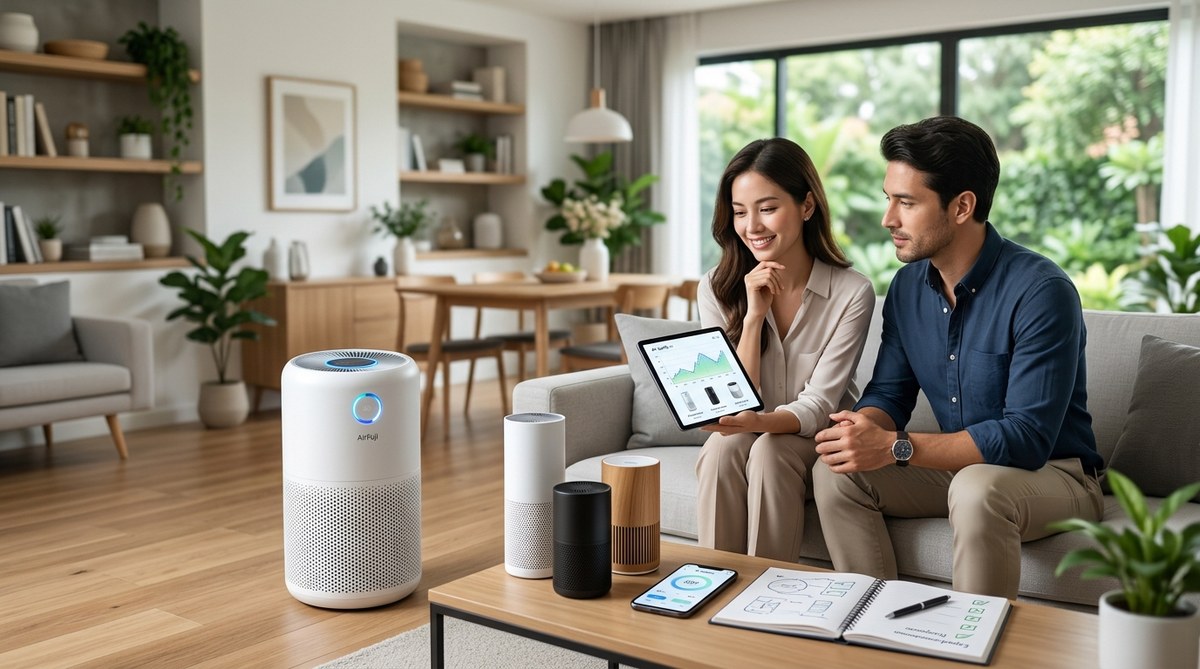
Breathing clean air indoors is more important than ever. With rising pollution levels, allergens, pet dander, and indoor pollutants, choosing the right air purifier can transform your home environment. The best air purifier for home in 2026 combines advanced filtration, smart features, and affordability. Whether you suffer from allergies or want to improve overall air quality, this guide will help you find the perfect fit for your living space.
Choosing the best air purifier for home in 2026 involves understanding your needs, room size, filtration technology, and smart features. Focus on trusted brands with high-quality filters, and consider your budget to create a healthier indoor environment that benefits everyone in your household.
Why a high-quality air purifier is a must in 2026
Indoor air quality can significantly impact health, especially for allergy sufferers, children, and the elderly. Studies show that indoor air can be two to five times more polluted than outdoor air. This pollution includes dust, pollen, pet dander, mold spores, volatile organic compounds, and airborne bacteria or viruses. A reliable air purifier helps remove these contaminants, reducing symptoms and improving overall well-being.
In 2026, the technology behind air purifiers has advanced. Many models now feature smart sensors that monitor air quality in real time and adjust their operation accordingly. They also incorporate eco-friendly filters that are more durable and cost-effective over time. Selecting the right device ensures your home stays fresh, safe, and comfortable.
How to choose the best air purifier for your home
Picking the ideal air purifier involves several practical steps. Here’s a straightforward process to guide your decision:
-
Assess your room size
Identify the largest room or space where you want cleaner air. Measure its square footage to ensure the purifier’s coverage matches. -
Determine your specific needs
Are allergies your main concern? Do you want to remove pet odors or airborne viruses? Clarify your priorities to focus on filters and features. -
Compare filtration technologies
Look for models with HEPA filters, activated carbon layers, or specialized filters for VOCs. HEPA filters are excellent for allergens and fine particles, while activated carbon handles odors and gases. -
Evaluate smart features and usability
Features like air quality sensors, remote control, WiFi connectivity, and user-friendly interfaces make operation simpler and more effective. -
Set your budget and consider ongoing costs
High-end models may cost more upfront but save money over time with washable filters or low energy consumption. Check filter replacement costs to avoid surprises.
Key features to prioritize in your search
When narrowing down options, focus on these essential features:
- Filtration system quality: HEPA filters that capture 99.97% of particles as small as 0.3 microns are the gold standard. Activated carbon layers help with odors and chemicals.
- Room size compatibility: Match the purifier’s coverage to your space to ensure efficiency.
- Noise levels: Quiet operation is crucial for bedrooms or living rooms. Look for decibel ratings or user reviews.
- Energy efficiency: Models with Energy Star certification save on electricity bills.
- Smart monitoring: Sensors that automatically adjust fan speed based on air quality improve performance without constant manual control.
- Ease of maintenance: Washable or long-lasting filters reduce ongoing costs and hassle.
“A good air purifier is an investment in your health. Prioritize filtration quality and smart features, and you’ll notice the difference in your home’s air in no time.”
Practical tips for getting the most from your air purifier
Once you’ve chosen the perfect model, maximize its effectiveness with these tips:
- Place the purifier in the room where you spend the most time or where air quality is poorest.
- Keep doors and windows closed during operation for optimal performance.
- Regularly check and replace filters as recommended by the manufacturer.
- Use smart features like air quality sensors to automate adjustments.
- Combine your purifier with proper ventilation and cleaning routines to maintain a fresh environment.
Common pitfalls to avoid when selecting an air purifier
Understanding what not to do is just as important. Here’s a quick comparison of common mistakes:
| Mistake | Why it matters | How to avoid |
|---|---|---|
| Choosing a device based only on price | Cheaper models may lack effective filtration | Focus on proven filtration technology and reviews |
| Ignoring room size compatibility | Inefficient performance or wasted energy | Match the purifier’s coverage to your space |
| Neglecting maintenance costs | Filters that are costly or complicated to replace increase expenses | Opt for models with washable or affordable filters |
| Overlooking noise levels | Noisy units disrupt daily activities or sleep | Read user reviews and specifications for quiet operation |
| Not considering smart features | Manual operation can lead to inconsistent air quality | Select models with sensors and automation |
Techniques for optimal air purification and common mistakes
Understanding how to operate your air purifier correctly can make a big difference. Here are some techniques and pitfalls:
| Technique | Benefit | Common mistake | Solution |
|---|---|---|---|
| Keep doors and windows closed during operation | Ensures proper filtration | Leaving windows open | Close windows when running the purifier |
| Place the unit at a central location | Maximize coverage | Positioning in corners or behind furniture | Place in open, central spots for best results |
| Regularly clean or replace filters | Maintains efficiency | Using dirty filters | Follow manufacturer’s schedule |
| Use air quality sensors to guide operation | Ensures consistent performance | Ignoring sensor alerts | Set units to auto mode when available |
“Remember, the key is consistent maintenance and correct placement. An air purifier works best when operated as part of a comprehensive approach to indoor air quality.”
Why 2026 is the year to upgrade your air quality system
The advancements in air purifier technology make 2026 an ideal time to invest. Modern models offer quieter operation, smarter controls, and more efficient filters. They are designed to handle larger spaces while consuming less energy. These improvements mean your home can stay healthier with less effort and cost.
Choosing a top-rated air purifier can significantly reduce allergens, bacteria, and odors. It supports better sleep, fewer allergy symptoms, and overall improved health for everyone in your household. Remember to assess your specific needs, compare features, and select a reputable brand.
Practical steps to upgrade your indoor air in 2026
- Review your living space and identify problem areas.
- Research models that fit your room size and needs.
- Prioritize filters with high efficiency and smart features.
- Purchase from trusted brands with positive reviews.
- Follow maintenance routines to keep your purifier operating optimally.
Taking these steps will help you create a healthier, more comfortable home environment this year and beyond.
Your path to cleaner indoor air starts today
Investing in the best air purifier for home in 2026 is a smart move toward healthier living. With the right device, you can significantly reduce indoor pollutants and enjoy fresher air each day. Keep your needs in mind, choose wisely, and maintain your device well. Your lungs will thank you.
Remember: a cleaner home begins with understanding your needs and selecting a purifier that matches them. Breathe easier this year by making an informed choice that benefits your health and peace of mind.