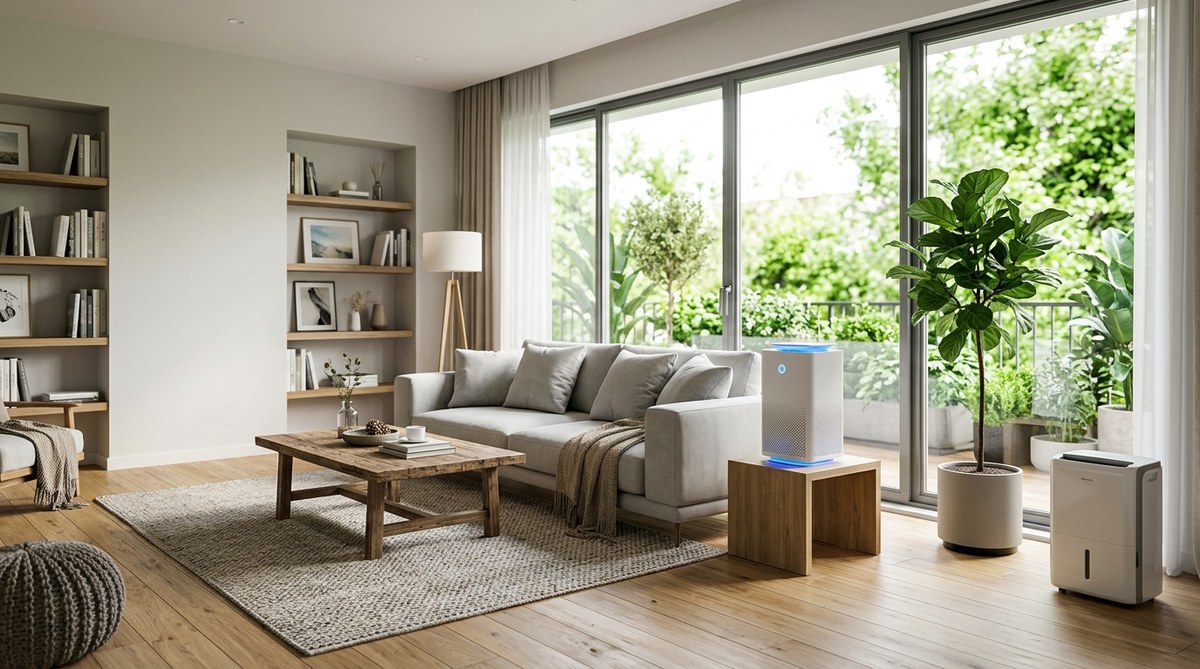
Creating a healthy and inviting indoor environment is key to enjoying your home to the fullest. Small changes can make a big difference in how your space feels, smells, and functions. Whether you want to breathe cleaner air, reduce clutter, or add a cozy touch, improving your indoor environment enhances your overall well-being and makes your home a sanctuary.
Indoor environment improvements focus on enhancing air quality, organizing space, and boosting comfort. Simple upgrades like air purifiers, better lighting, and decluttering can transform your home into a healthier, more relaxing place to live.
Understanding the Basics of Indoor Environment Improvements
Indoor environment improvements involve making adjustments and upgrades that directly impact the air quality, comfort, and overall ambiance of your home. These changes not only create a healthier living space but also foster a sense of peace and relaxation. From controlling pollutants to optimizing lighting, each step contributes to a more enjoyable home environment.
Practical Steps to Enhance Your Indoor Environment
- Improve Indoor Air Quality
Air quality has a profound impact on your health and comfort. Pollutants like dust, pet dander, mold, and volatile organic compounds can accumulate over time, leading to allergies, respiratory issues, or just feeling generally stuffy. To address this:
-
Invest in a high-quality air purifier that targets allergens and pollutants. Look for models with HEPA filters, which trap tiny particles and improve air cleanliness. You can find a great selection of top-rated units at improve indoor air quality with the best air purifiers for your home.
-
Incorporate houseplants known for purifying air, such as snake plants or pothos. They add beauty and help filter toxins naturally.
-
Ensure proper ventilation, especially in the kitchen and bathroom. Use exhaust fans or open windows regularly to remove excess moisture and odors.
Expert tip: “Regularly changing your HVAC filters and using air purifiers can dramatically improve indoor air quality,” says Dr. Lisa Adams, an indoor air specialist.
- Declutter and Organize Your Space
Clutter can make a room feel cramped and chaotic, reducing comfort and increasing stress. Organizing your home creates a calming environment and improves air circulation.
-
Start by sorting items into categories: keep, donate, discard. Use labeled storage bins for items you want to keep but don’t need daily.
-
Create designated zones for different activities, like reading, working, or relaxing. This helps streamline your space and makes it easier to maintain.
-
Regularly tidy up and put things back in their place to prevent clutter from building up again.
-
Use multifunctional furniture like storage ottomans or beds with drawers to maximize space.
-
Invest in vertical storage solutions, such as wall-mounted shelves, to free up floor space.
-
Optimize Lighting for Comfort and Function
Lighting influences mood, productivity, and overall ambiance. Proper lighting makes your home more inviting and functional.
-
Incorporate a mix of natural and artificial light. During the day, open curtains or blinds to let in sunlight. Use light-filtering window treatments to soften glare.
-
Use layered lighting with ambient, task, and accent lights. For example, install dimmable ceiling fixtures, task lamps over desks, and decorative sconces.
-
Choose bulbs with warm color temperatures to create cozy atmospheres. Cooler tones work well for task areas like kitchens or offices.
-
Consider installing smart lighting systems that allow you to adjust brightness and color remotely.
Techniques and Mistakes in Indoor Environment Enhancements
| Techniques | Mistakes |
|---|---|
| Using air purifiers in high-pollution areas | Relying solely on air fresheners for odors |
| Decluttering to improve airflow | Overstuffing storage spaces |
| Combining natural and layered lighting | Ignoring the importance of window treatments |
| Incorporating houseplants for air quality | Using harsh, bright lighting at night |
Additional Tips for a Healthier Home
-
Control humidity levels: Keep humidity between 30-50 percent to prevent mold growth and dry skin. Use dehumidifiers or humidifiers as needed.
-
Maintain cleanliness: Regular dusting, vacuuming, and washing bedding reduce allergens.
-
Invest in smart home devices: Humidity sensors, air quality monitors, and smart thermostats help maintain optimal conditions.
-
Pay attention to flooring and textiles: Choose low-VOC paints and natural fabrics that don’t off-gas harmful chemicals.
-
Create a sleep-friendly bedroom: Use blackout curtains, keep electronics out, and maintain a cool, dark environment for restful sleep.
Common Pitfalls to Watch Out For
| Technique | Mistake to Avoid |
|---|---|
| Overusing air fresheners | Masking odors rather than eliminating them |
| Ignoring ventilation needs | Blocking vents or not airing out rooms |
| Clutter accumulation | Creating hidden spaces for dust and mold |
| Using harsh cleaning chemicals | Choosing natural, chemical-free options |
A Final Word on Indoor Environment Improvements
Making your home more welcoming and healthier doesn’t require a major overhaul. Small, intentional changes like upgrading your air filtration system, decluttering your space, and adjusting your lighting can significantly improve your indoor environment. These improvements boost air quality, increase comfort, and create a more peaceful atmosphere.
Start by assessing your current space. Identify areas where air feels stale, clutter builds up, or lighting feels inadequate. Then, prioritize upgrades that fit your lifestyle and budget. With consistent effort, your home can become a true sanctuary for relaxation and health.
Remember, your environment impacts your mood and well-being more than you might realize. Taking these simple steps can make your home a place you love to spend time in every day.
Creating a Harmonious Home Environment
Fostering a healthy indoor space is an ongoing process. As you implement these improvements, you’ll notice your home feels fresher, more inviting, and more aligned with your needs. Embrace small upgrades and maintenance routines that keep your environment in top shape. Over time, you’ll enjoy a space that truly supports your lifestyle and well-being.
Warm up your home with thoughtful touches, stay proactive about air quality, and organize with purpose. Your effort will pay off in comfort, health, and happiness.