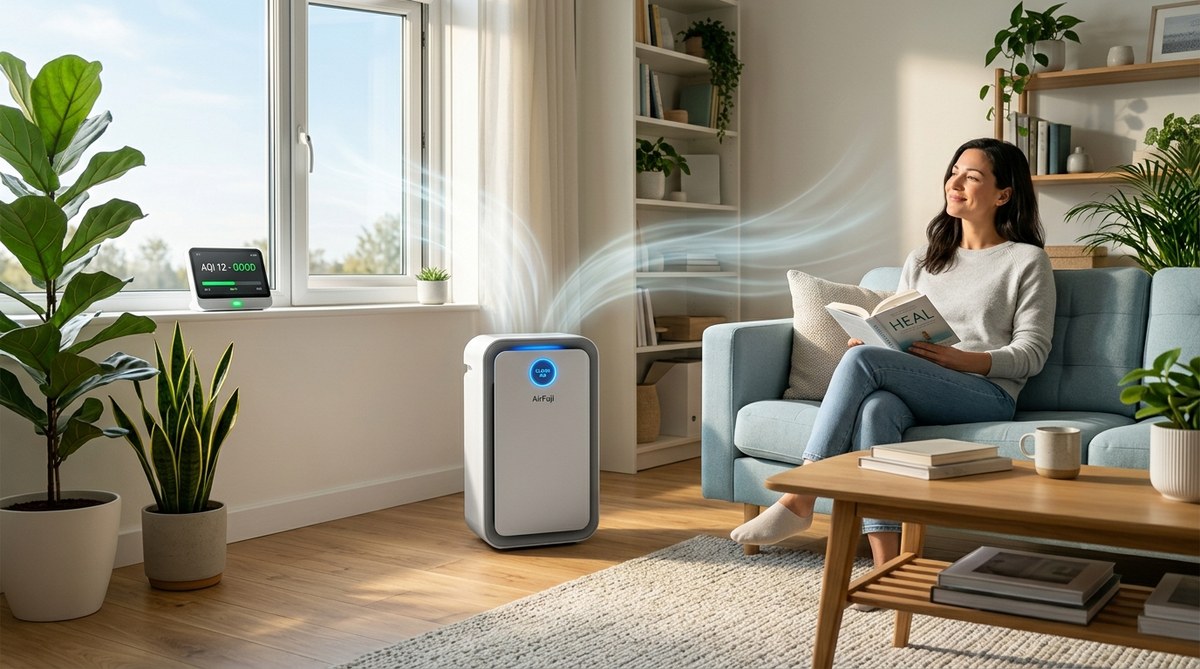
Creating a healthier home starts with clean indoor air. As we step further into 2026, the importance of effective air purification has never been greater. With more advanced technology and smarter homes, knowing how to maximize your air purifier’s performance can make a real difference in your daily comfort and long-term health. Whether you’re battling allergies, pollution, or just want fresher air, applying the latest strategies ensures your investment truly pays off.
Maximizing air purifier effectiveness in 2026 involves choosing the right device, maintaining it properly, and optimizing your home’s environment for cleaner air. Small adjustments can lead to significant improvements in indoor air quality and your overall well-being.
Understanding what influences air purifier performance
Maximizing how well your air purifier works starts with understanding the key factors that impact its efficiency. These include selecting the right model, proper placement, regular maintenance, and controlling indoor pollution sources. Today’s models are smarter, but they still need your help to perform at their best.
The role of advanced technology in 2026
In 2026, air purifiers feature innovations like smart sensors, real-time air quality monitoring, and AI-powered adjustments. These tools help tailor cleaning cycles, ensuring your device works only when needed, conserving energy while maintaining optimal air quality. Choosing a model with these features is essential for maximizing effectiveness.
Common mistakes that hinder performance
Many users make simple errors that reduce their purifier’s efficiency. These include placing units near walls, exposing them to direct sunlight, or neglecting filter replacements. Understanding these pitfalls helps you avoid them and keep your air as clean as possible.
Practical steps to boost your air purifier’s efficiency
Implementing a few straightforward practices can dramatically improve how well your air purifier works. Here are the most effective methods to maximize airflow, filtration, and overall performance in your home.
1. Choose the right device for your space
Selecting an air purifier that matches your room’s size and specific needs is critical. An undersized unit struggles to clean the air effectively, while a model that’s too large may use unnecessary energy. Look for devices with CADR (clean air delivery rate) ratings suited to your room dimensions. For example, a bedroom needs a different model than a large living room.
2. Optimize placement and airflow
Where you position your air purifier impacts its ability to circulate air and capture pollutants. Place it in a central location away from obstructions like furniture or curtains. Elevate it off the floor if possible, especially in homes with pets or dust issues. Keep doors and windows closed when the purifier is running to prevent fresh outdoor pollutants from entering.
3. Maintain filters and clean the unit regularly
Filters are the heart of an air purifier. In 2026, filters with True HEPA and activated charcoal are standard for capturing tiny particles and odors. Replace filters according to manufacturer instructions—typically every six to twelve months. Use a soft cloth or vacuum to clean dust from vents and exterior parts monthly. Proper maintenance prevents clogging and ensures air flows freely.
4. Use smart features and monitor air quality
Smart sensors detect indoor pollutants and adjust operation accordingly. Set your device to auto mode to optimize performance without manual intervention. Keep an eye on real-time air quality data via apps or display panels. If pollution levels spike, increase the purifier’s activity or add additional units in high-traffic areas.
5. Minimize pollution sources in your home
Reducing indoor pollutants makes your purifier’s job easier. Use low-VOC paints and cleaning products. Avoid smoking indoors and regularly clean bedding, carpets, and upholstery to reduce dust and pet dander. Installing exhaust fans in kitchens and bathrooms also helps eliminate moisture and pollutants at their source.
Techniques and common mistakes at a glance
| Technique | Mistake | Effect |
|---|---|---|
| Use the right size model | Using an undersized unit | Ineffective cleaning |
| Proper placement | Placing unit near walls or in corners | Reduced airflow |
| Regular filter replacement | Ignoring filter change schedule | Filter clogging, poor performance |
| Enable smart features | Disabling auto or sensor modes | Less efficient operation |
| Reduce indoor pollutants | Smoking indoors or using harsh chemicals | Easier for purifier to clean air |
“The key to maximizing your air purifier’s effectiveness is a combination of smart technology use, regular maintenance, and environmental control,” advises Dr. Lisa Hernandez, an indoor air quality expert. “Small proactive steps make a big difference in indoor air health.”
Additional tips for best results
- Use multiple units in larger or multi-room homes.
- Keep doors and windows closed when the purifier runs.
- Use air quality monitors to identify pollution spikes.
- Consider air purifiers with UV sterilization for additional pathogen control.
Avoiding common pitfalls
While it’s tempting to set and forget your air purifier, neglecting maintenance or placement can significantly reduce its effectiveness. For example, placing a unit near a window can introduce outdoor pollutants directly into the filter. Similarly, ignoring filter changes can cause clogged filters, reducing airflow and trapping fewer pollutants. Regularly check your device and follow manufacturer guidelines to keep it performing at its peak.
Techniques vs mistakes table
| Techniques to maximize | Common mistakes to avoid |
|---|---|
| Choose the right size | Using a too small unit for the space |
| Place in a central, unobstructed location | Blocking air intake or outlet vents |
| Regularly replace filters | Letting filters stay past their expiration |
| Use auto or smart modes | Manually overriding sensor-based settings |
| Reduce pollution sources | Smoking indoors or using chemical cleaners |
Expert advice on maximizing effectiveness
“Investing in a high-quality air purifier is just the first step,” notes indoor air specialist Marcus Lee. “Regular upkeep, proper placement, and reducing pollution at the source are what truly maximize performance and indoor air health.”
Embracing smarter indoor air solutions
In 2026, the best approaches combine technology with lifestyle changes. Installing smart sensors, maintaining filters, and controlling indoor pollution all work together. Take advantage of new features like app-enabled monitoring and AI adjustments to keep indoor air fresh and clean effortlessly.
Additional resources
For more insights into improving your indoor environment, see our guide on improve indoor air quality with the best air purifiers for your home. It offers detailed advice on selecting and maintaining devices tailored to your lifestyle.
The final breath of fresh air
Maintaining optimal air purifier effectiveness in 2026 is about more than just buying a device. It’s a holistic process involving smart choices and consistent care. Implement these tips, stay vigilant about maintenance, and your home will become a sanctuary of clean, healthy air. Your family’s well-being depends on the air you breathe, so make every breath count.