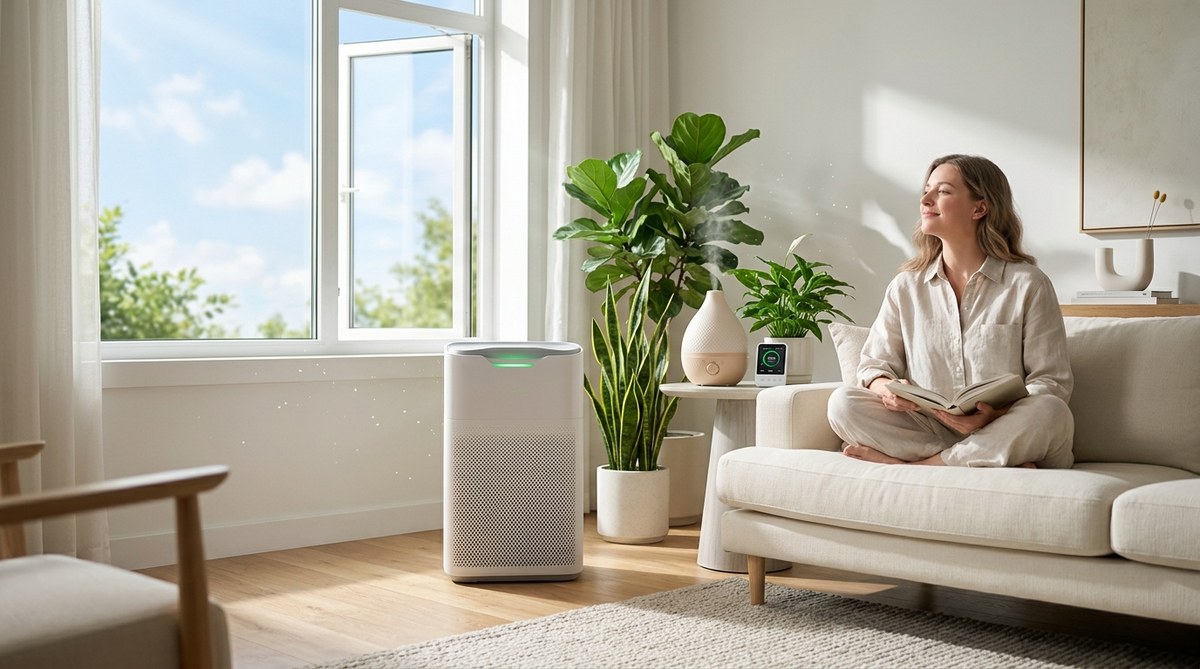
Improving indoor air quality is essential for a healthier, more comfortable home. With so many sources of indoor pollution—from dust and pet dander to VOCs from household products—taking steps to enhance the air you breathe can make a real difference. Better air quality can reduce allergy symptoms, improve sleep, and even boost your overall well-being. Whether you’re dealing with dry air or lingering odors, there are straightforward ways to create a cleaner, fresher environment inside your home.
Enhancing indoor air quality involves source control, proper ventilation, and using air cleaning devices. Implementing these steps helps reduce pollutants naturally and creates a healthier home environment for you and your loved ones.
Understanding the importance of improving indoor air quality
Indoor air can sometimes be more polluted than outdoor air. Common pollutants include dust, mold spores, pet dander, volatile organic compounds (VOCs), and bacteria. These pollutants can trigger allergies, asthma, or other respiratory issues. Improving air quality doesn’t require costly equipment. Instead, it involves simple changes to your daily habits and home settings. By focusing on natural methods, you can significantly reduce indoor pollution without relying solely on electronic air cleaners.
Practical steps to naturally enhance your indoor air quality
1. Control sources of indoor pollution
The first step toward cleaner air is reducing the pollutants at their source. Here’s how:
- Keep your home clean to minimize dust and allergens. Regularly vacuum carpets and upholstered furniture using a HEPA filter vacuum.
- Limit the use of chemical-laden products like air fresheners, cleaning sprays, and paints. Opt for natural alternatives whenever possible.
- Prevent mold growth by fixing leaks promptly and controlling indoor humidity levels.
- Store chemicals, paints, and solvents in well-ventilated areas or outside your living space.
2. Improve ventilation and airflow
Fresh air dilutes indoor pollutants and brings in oxygen. Ways to improve ventilation include:
- Opening windows when weather permits. Even a few minutes of cross-ventilation can refresh indoor air.
- Using exhaust fans in kitchens and bathrooms to remove moisture, odors, and pollutants.
- Installing or upgrading to a mechanical ventilation system with fresh air intake. This ensures consistent airflow without losing energy.
- Keeping interior doors open to promote air circulation throughout the house.
3. Use natural air purifiers and plants
Certain houseplants can help filter toxins and improve humidity levels naturally. Popular options include:
- Spider plants
- Snake plants
- Peace lilies
- Areca palms
These plants absorb airborne chemicals and add moisture to dry air. Keep in mind that plants alone won’t eliminate all pollutants but can complement other methods.
4. Maintain your heating, ventilation, and air conditioning (HVAC) system
A well-maintained HVAC system is vital for good indoor air quality. Regularly change filters, ideally every one to three months, using high-efficiency particulate air (HEPA) filters if your system allows. Schedule professional inspections annually to ensure ducts are clean and functioning properly.
“Proper maintenance of your HVAC system is one of the best ways to reduce indoor allergens and pollutants naturally,” advises indoor air quality expert Dr. Lisa Miller.
5. Keep humidity levels balanced
Too much moisture fosters mold and dust mites, while too little can dry out your skin and respiratory passages. Aim to keep indoor humidity between 30 and 50 percent. Use dehumidifiers in damp areas like basements and bathrooms. During winter, use humidifiers if indoor air becomes too dry.
6. Regularly clean and declutter
Dust and dirt accumulate quickly in cluttered spaces. Regular cleaning helps remove these pollutants. Use microfiber cloths and vacuum with HEPA filters. Avoid synthetic air fresheners; instead, use natural options like simmering herbs or citrus peels.
7. Avoid smoking indoors
Cigarette smoke contains thousands of chemicals that pollute indoor air. If someone smokes, encourage them to do so outside. This simple change significantly improves air quality for everyone inside.
Techniques and mistakes to avoid
| Technique | Mistake to Avoid |
|---|---|
| Using natural cleaning products | Relying on chemical cleaners that release VOCs |
| Increasing ventilation during high pollution days | Opening windows during heavy outdoor pollution or wildfire seasons |
| Using houseplants | Overwatering, which can promote mold growth |
| Regularly changing HVAC filters | Using low-quality filters that don’t trap fine particles |
| Maintaining balanced humidity | Overusing humidifiers, leading to excess moisture |
Additional tips for maintaining healthy indoor air
- Monitor air quality: Use indoor air quality monitors to track levels of humidity, VOCs, and particulate matter.
- Limit clutter: A tidy home reduces dust accumulation and makes cleaning easier.
- Opt for low-emission products: Choose furniture, flooring, and paints labeled low-VOC or no-VOC.
- Seal leaks and cracks: Prevent outdoor pollutants from entering your home through gaps in doors or windows.
Expert advice on improving indoor air quality naturally
“A combination of source control, proper ventilation, and natural purification methods can dramatically improve your home’s air quality,” says environmental health specialist Dr. Mark Evans. “It’s about creating a balanced environment that minimizes pollutants and maximizes fresh airflow.”
A healthier indoor environment starts with simple choices
Creating a cleaner indoor air environment doesn’t require complex systems or expensive gadgets. Focus on reducing pollution sources, improving airflow, and maintaining your home’s systems. Small, consistent actions can lead to a significant difference in how you feel every day. Breathe easier by making natural, practical changes that support your health and well-being.
Practical ways to keep your indoor air fresh over time
Regularly review your home habits and maintenance routines. Keep an eye on humidity levels, change filters as recommended, and involve everyone in keeping the space clean. These ongoing efforts ensure your home remains a sanctuary of fresh, healthy air.
Making your home a breath of fresh air
Improving indoor air quality naturally is within reach for every homeowner. By adopting these easy-to-follow strategies, you can reduce pollutants, prevent health issues, and enjoy a more vibrant, comfortable living space. Small steps today lead to healthier air tomorrow. Start with one change, like opening windows more often or adding a few air-purifying plants, and build from there. Your lungs will thank you.